فئات
بلوق جديد
من 25 مم إلى 10 مم: كيف تعيد شركة قوانغدونغ تشونغفو تعريف حدود تصميم الأنظمة الحرارية للأجهزة الطبية
March 23 , 2026
أولاً: اتجاه التصغير في الأجهزة الطبية: من "ممكن" إلى "حتمي"
ثانيًا: خلفية الحالة: فشل الحلول الحرارية التقليدية في التكيف مع بنية الجيل التالي
ثالثًا: مآزق منطق الاختيار التقليدي: المواصفات لا تساوي الأداء في العالم الحقيقي
رابعاً: تحول نموذجي: من "اختيار مروحة" إلى "تحليل النظام"
خامساً: الاكتشاف الرئيسي: السُمك ليس العامل الوحيد المحدد لقدرة التبريد
سادساً: الحل: استخدام مروحة تيار مستمر بدون فرشات رقيقة بسمك 10 مم
سابعاً: التحقق السريع وتحسين كفاءة المشروع
ثامناً: دروس هندسية: من دراسة حالة واحدة إلى منهجية الصناعة
تاسعاً: الخاتمة: التطور من مورد منتجات إلى شريك في قدرات النظام
مع سعي صناعة الأجهزة الطبية العالمية الحثيث نحو مزيد من الدقة والتصغير والذكاء، تجاوز مفهوم "تصغير الأجهزة" مجرد كونه تحديًا في التصميم الهيكلي. فقد تطور إلى ثورة هندسية شاملة تتضمن هندسة النظم، والديناميكا الحرارية، وعلوم المواد، والتحقق من الموثوقية على المدى الطويل. لا يقتصر الأمر على مجرد تقليل الأبعاد، بل هو إعادة تشكيل جذرية لفلسفة تصميم المنتجات، وعمليات التصنيع، وقدرات التعاون في سلسلة التوريد. ويمتد هذا التصغير من تحسين البنية الهيكلية الفردية إلى التحكم الديناميكي في التوازن الحراري للنظام ككل، وتصميم تنظيم تدفق الهواء على المستوى الميكروي، وتقييم الموثوقية بناءً على اختبارات العمر المتسارع، ليخفي وراءه مجموعة من تحديات التعاون الهندسي المعقدة وغير المسبوقة. ويتطلب ذلك من المهندسين تفكيك الحواجز التقليدية بين التخصصات، وإعادة تقييم قيمة وحدود كل مكون وكل جزء من المساحة من خلال منظور التفكير النظمي.
يُعدّ هذا الأمر بالغ الأهمية في مجال أجهزة التشخيص الطبي. إذ يجب ألا تقتصر متطلبات المنتجات على الأداء العالي والدقة المتناهية فحسب، بل يجب أن تراعي أيضًا الاستخدام الأمثل للمساحة، وتكامل الوحدات بكثافة عالية، والمعايير التنظيمية في الأسواق العالمية الرئيسية. وتشمل هذه المعايير علامة CE الأوروبية، ومعايير السلامة UL في الولايات المتحدة، ونظام إدارة جودة الأجهزة الطبية ISO 13485، ومتطلبات الاستقرار طويل الأمد الموضحة في سلسلة IEC 60601. هذه القيود المتعددة، والمترابطة في كثير من الأحيان، تعني أن الهدف النهائي لتصميم الجهاز لم يعد مجرد "الوظائف"، بل يجب أن يكون "مستقرًا وموثوقًا وقابلًا للتكرار باستمرار في أي بيئة سريرية متوقعة". هذا السعي الدؤوب نحو الحتمية والسلامة يُشكّل الأساس المنطقي للتصميم الحراري في الأجهزة الطبية.
في ظل هذه الظروف، لم يعد تصغير حجم الجهاز مجرد "خيار تحسين" في تطوير المنتجات، بل أصبح "ضرورة استراتيجية" للشركات للمنافسة بفعالية. مع ذلك، وعلى عكس الهياكل المادية، لا يتناسب توليد الحرارة داخل الجهاز طرديًا مع حجمه. في الواقع، ونظرًا للنمو الهائل في القدرة الحاسوبية والزيادة الهندسية في كثافة دمج الوحدات، تستمر الكثافة الحرارية لكل وحدة حجم في الارتفاع بشكل حاد. وهذا بدوره يزيد من صعوبة إدارة الحرارة بشكل كبير، ويمكن تشبيه ذلك ببساطة بمحاولة وضع الحرارة الناتجة عن مصنع في شقة سكنية. وقد أصبحت هذه "المعضلة الحرارية" العائق الرئيسي الذي يُعيق تصغير حجم المنتجات.
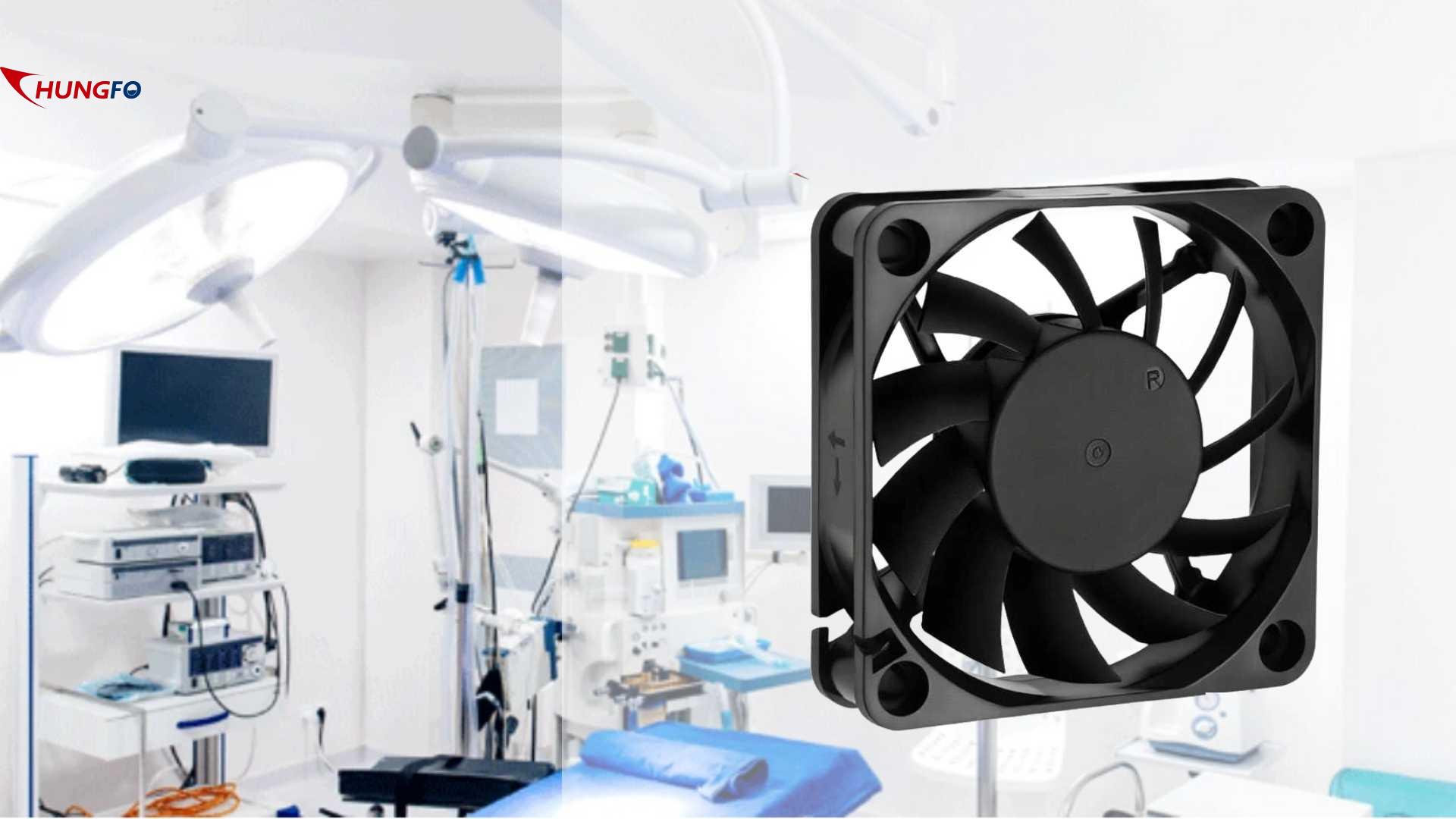
ونتيجة لذلك، ارتفعت أهمية النظام الحراري ضمن بنية التصميم العامة إلى مستوى غير مسبوق. لم يعد مجرد "وحدة داعمة" يتم تناولها لاحقًا، بل أصبح "تقنية تمكينية رئيسية" تعمل جنبًا إلى جنب مع الحوسبة الأساسية والاستشعار الدقيق. ويكمن التناقض الجوهري بين الأبعاد الفيزيائية (وخاصة السماكة) لـ مروحة التبريد يُعدّ نظام التبريد، المكون الأكثر أهمية في أي نظام حراري نشط، وقد أصبح أداؤه في التبريد أحد أصعب التحديات في التصميم الهندسي. فكيفية الحفاظ على تدفق هواء كافٍ وضغط ثابت مناسب داخل حيز ضيق للغاية، مع ضمان انخفاض مستوى الضوضاء والاهتزازات، وعمر افتراضي طويل للغاية، هي المشكلة الأكثر عملية وتحديًا التي تواجه كل فريق هندسي.
ستتناول هذه المقالة دراسة حالة واقعية تتعلق بجهاز تشخيص طبي. وستحلل بدقة كيف قامت شركة تشونغفو الصينية لتصنيع المراوح تمكنت شركة رائدة في مجال توفير حلول التبريد الصناعية، من تجاوز قيود منهجية الاختيار التقليدية. فمن خلال تطبيق منهجية تحليل هندسي منظمة، نجحت في تقليل سُمك مروحة التبريد من 25 مم إلى 10 مم دون المساس بأداء التبريد أو موثوقيتها على المدى الطويل. وقد أسفر هذا الإنجاز عن خفض سُمك النظام الإجمالي بنسبة 60%، ووفر للصناعة إطار عمل قيّمًا وقابلًا للتطبيق في مجال حلول التبريد الصناعية.
أولاً: اتجاه التصغير في الأجهزة الطبية: من "ممكن" إلى "حتمي"
مع التطورات العالمية المتواصلة في التكنولوجيا الطبية، وتزايد نسبة كبار السن في المجتمع، وتغير نماذج تخصيص موارد الرعاية الصحية، يشهد قطاع الأجهزة الطبية تحولاً عميقاً لا رجعة فيه. لم يعد الانتقال من المعدات التقليدية الضخمة والثابتة إلى الأجهزة المحمولة، وأجهزة سطح المكتب، وحتى الأجهزة اليدوية، مجرد تجربة تقوم بها بعض الشركات الرائدة، بل أصبح مساراً حتمياً للقطاع بأكمله.
تُعزى هذه التوجهات إلى عدة عوامل مؤثرة. أولًا، تشهد الحالات السريرية تغيرات جذرية. فلم تعد الاحتياجات التشخيصية مقتصرة على مختبرات أو مراكز التصوير في المستشفيات الكبيرة، بل باتت تمتد بشكل متزايد لتشمل مرافق الرعاية الصحية الأولية، والعيادات المجتمعية، والرعاية المنزلية، وحتى وحدات الرعاية الطبية المتنقلة. فعلى سبيل المثال، في المناطق النائية أو أثناء حالات الطوارئ الصحية العامة، غالبًا ما تحدد سهولة استخدام جهاز تحليل الدم المحمول أو جهاز الموجات فوق الصوتية المحمول مدى سرعة وفعالية التشخيص. وهذا يتطلب أن تتمتع الأجهزة بمرونة فائقة وسهولة في النقل، وأن تكون قادرة على توفير بيانات طبية دقيقة في أي وقت وأي مكان.
ثانيًا، يُبرز التوزيع غير المتكافئ للموارد الطبية عالميًا أهمية الأجهزة الأصغر حجمًا. فمقارنةً بالمعدات الكبيرة الضخمة والمكلفة والتي تتطلب تركيبًا احترافيًا، تُعدّ الأجهزة الأصغر حجمًا أسهل في النقل والتركيب والصيانة. كما يُمكنها دخول الأسواق الناشئة بسرعة أكبر وبتكلفة أقل، ما يُسهم بفعالية في سدّ الفجوات في تقديم الرعاية الصحية. وتُخفّض هذه الأجهزة من عوائق الوصول إلى الخدمات الطبية، ما يُتيح للتكنولوجيا الطبية المتقدمة أن تُفيد شريحة أوسع من السكان.
في الوقت نفسه، يتزايد التكامل الوظيفي داخل الأجهزة الطبية بشكلٍ متسارع. لم تعد الأجهزة الطبية الحديثة أدوات أحادية الوظيفة، بل تتطور إلى أنظمة متكاملة تجمع بين قدرات متعددة. فعلى سبيل المثال، قد يدمج جهاز مراقبة المرضى عالي الجودة تخطيط كهربية القلب، وقياس ضغط الدم غير الباضع، ونسبة تشبع الأكسجين في الدم، ومراقبة درجة الحرارة، بل وقد يتضمن أيضًا تحليلًا أوليًا للبيانات، ونقلًا لاسلكيًا عن بُعد، وميزات معايرة تلقائية. هذا المستوى العالي من التكامل الوظيفي يدفع مباشرةً نحو تصميم داخلي فائق الصغر، مما يُجبر المهندسين على حشر المزيد من المكونات الإلكترونية، وأجهزة الاستشعار، والأجزاء الميكانيكية في حيز أصغر.
من منظور المنافسة السوقية، تُترجم الأجهزة الأصغر حجماً إلى انخفاض تكاليف التصنيع والشحن، ومرونة أكبر في النشر، ونطاق أوسع من سيناريوهات التطبيق. في بيئات متخصصة مثل شاحنات الفحص المتنقلة، والمستشفيات المتنقلة، والمختبرات المؤقتة، وعمليات الإنقاذ في حالات الطوارئ، يُحدد حجم الجهاز ووزنه واستهلاكه للطاقة بشكل مباشر سهولة استخدامه وجدواه. لذا، فإن التصغير ليس مجرد ضرورة تكنولوجية، بل هو أيضاً عامل تمييز تنافسي رئيسي.
مع ذلك، تتجاوز تحديات التصغير مجرد تكديس الهياكل المادية. فمع ازدياد أداء المكونات الإلكترونية، تزداد حدة مشكلة "الكثافة الحرارية" داخل الجهاز. إذ تُطلق المعالجات عالية الأداء، ووحدات FPGA المعقدة، ووحدات الطاقة الفعالة، وأنظمة الاستشعار الدقيقة كميات كبيرة من الحرارة أثناء التشغيل. وإذا لم تُزال هذه الحرارة بكفاءة وفعالية، فقد يؤدي ذلك إلى عواقب وخيمة: تدهور أداء المكونات، وانحراف الإشارة مما يُؤثر على دقة القياس، وعدم استقرار تشغيل النظام، أو حتى إيقاف التشغيل بسبب الحماية من ارتفاع درجة الحرارة. وفي المجال الطبي، يُشكل أي خطأ في البيانات أو توقف للنظام مخاطر جسيمة.
وبالتالي، في ظل الاتجاه الحتمي نحو التصغير، لا يمكن إضعاف النظام الحراري؛ بل يجب أن يحقق إدارة حرارية أكثر كفاءة وذكاءً ضمن حيز مادي أصغر. وهذا ما يجعل تطبيق مراوح تبريد بدون فرش تعمل بالتيار المستمر تُعدّ هذه المراوح، التي تُمثّل جوهر الحلول الحرارية النشطة، ذات أهمية متزايدة. فجودة تصميمها تُحدّد بشكل مباشر نجاح أو فشل عملية تصغير حجم المنتج.
ثانيًا: خلفية الحالة: فشل الحلول الحرارية التقليدية في التكيف مع بنية الجيل التالي
شركة K، العميل في هذه الحالة، هي شركة مصنعة لأجهزة التشخيص الطبي، ويعمل بها حوالي 3000 موظف. تخصصت الشركة لسنوات في البحث والتطوير لأجهزة عالية الدقة، وتشتهر منتجاتها بدقتها العالية واستقرارها، وتُستخدم على نطاق واسع في مستشفيات الدرجة الأولى، والمختبرات الطبية المستقلة، والعديد من مراكز الأبحاث عالية المستوى، مما يفرض متطلبات صارمة للغاية فيما يتعلق بالاستقرار التشغيلي والموثوقية.
أثناء تطوير أحدث جيل من أجهزة التحليل الكيميائي الحيوي الآلية، واجه فريق الهندسة في شركة K Company عقبة تصميم غير مسبوقة: الحل الحراري المثبت من الأجيال السابقة لم يعد قادراً على استيعاب البنية المدمجة للغاية للجهاز الجديد.
كان الحل القديم يعتمد على مروحة تبريد محورية قياسية في الصناعة بأبعاد 60×60×25 مم. في الأجيال السابقة من المنتج، كانت هذه المروحة، بسماكة 25 مم، بفضل تقنيتها المتطورة وأدائها المستقر، تُوازن بفعالية بين تدفق الهواء والضوضاء، مما يضمن تبديد الحرارة داخل الجهاز بكفاءة وتلبية جميع متطلبات التبريد. مع ذلك، ولتحقيق انخفاض كبير في الحجم الإجمالي للجهاز في الجيل الجديد، أعاد المهندسون تصميم التخطيط الداخلي بشكل جذري. أُعيد ترتيب العديد من الوحدات الوظيفية، وخُفِّضت أحجام لوحات الدوائر، مما أدى إلى تقليص المساحة المخصصة للمروحة بشكل كبير. لم يعد من الممكن استيعاب المروحة بسماكة 25 مم، سواء من حيث الأبعاد الفيزيائية أو طريقة التركيب، ضمن الهيكل الجديد.
ومما زاد الأمر تعقيداً، أنه لتعزيز إنتاجية الاختبار وكفاءته، تم دمج عدة وحدات معالجة ذات قدرة أعلى ونظام مائع دقيق أكثر تعقيداً في الجهاز الجديد. وقد أدى ذلك إلى زيادة الحمل الحراري الإجمالي بدلاً من انخفاضه. وبالتالي، على الرغم من صغر حجم الجهاز، أصبحت متطلبات النظام الحراري أكثر صرامة.
في هذه المرحلة، واجه الفريق الهندسي لشركة K تناقضًا هندسيًا كلاسيكيًا ولكنه معقد للغاية:
يجب أن يتقلص الحجم المادي للجهاز، ولكن لا يمكن التنازل عن أداء التبريد على الإطلاق - في الواقع، قد يكون من الضروري تحسينه.
تكمن صعوبة هذه المشكلة في حقيقة أن دور النظام الحراري في الأجهزة الطبية يتجاوز بكثير مجرد "التبريد". فهو يؤثر بشكل مباشر على مؤشرات أداء المنتج الرئيسية:
دقة القياس: تؤثر تقلبات درجة الحرارة بشكل مباشر على استقرار المكونات البصرية وأجهزة الاستشعار والكواشف، مما يؤدي إلى انحرافات في نتائج الاختبار.
عمر المنتج: يؤدي التشغيل لفترات طويلة في درجات حرارة عالية إلى تسريع تدهور المكونات الحيوية مثل المكثفات الإلكتروليتية والدوائر المتكاملة، مما يؤدي إلى تقصير عمر الجهاز القابل للاستخدام بشكل كبير.
الاستقرار التشغيلي: يمكن أن يؤدي ارتفاع درجة الحرارة إلى تجمد النظام أو إعادة تشغيله، مما قد يؤدي إلى حوادث سلامة خطيرة في البيئات السريرية.
الامتثال للوائح التنظيمية: يجب أن تجتاز الأجهزة الطبية شهادات صارمة تتعلق بالسلامة والموثوقية. أي خلل في التصميم الحراري قد يعرض هذه الشهادات للخطر، مما يؤدي إلى تأخير أو عرقلة إطلاق المنتج.
لذا، كان أي تصميم يضحي بأداء التبريد لتوفير المساحة غير مقبول لدى شركة K. كانوا بحاجة إلى حل ثوري قادر على توفير أداء تبريد مكافئ أو أفضل في مساحة أصغر بكثير.
ثالثًا: مآزق منطق الاختيار التقليدي: المواصفات لا تساوي الأداء في العالم الحقيقي
بعد تعثر البحث في البداية، لجأ فريق البحث والتطوير في شركة K إلى النهج التقليدي: البحث في العديد من كتالوجات المنتجات وبياناتها الفنية عن مراوح التبريد. واتبعوا منطق "الحجم أولاً، ثم الأداء"، حيث قارنوا بدقة عشرات المراوح بحجم 60×60 مم من علامات تجارية مختلفة. وركزوا على معايير مثل تدفق الهواء (قدم مكعب في الدقيقة)، وسرعة الدوران (دورة في الدقيقة)، ومستوى الضوضاء (ديسيبل)، واستهلاك الطاقة، على أمل إيجاد نموذج بسماكة 10-15 مم بمواصفات أداء مماثلة للمروحة ذات السماكة 25 مم.
ومع ذلك، سرعان ما اصطدمت طريقة الاختيار القائمة على المواصفات الصارمة ظاهرياً بجدار مسدود.
يكمن السبب في أن بيانات الأداء المدرجة في الكتالوجات أو جداول البيانات - مثل أقصى تدفق للهواء وأقصى ضغط ثابت - تُقاس عادةً في ظروف مخبرية مثالية، تُعرف بحالة "الهواء الحر". في هذه الحالة، يكون مدخل ومخرج المروحة خاليين تمامًا من أي عوائق، ولا يواجه تدفق الهواء أي مقاومة، مما يسمح للمروحة بتحقيق أقصى إنتاجية نظرية لها. تُشبه بيئة الاختبار هذه مروحة تعمل في "فراغ"، وهو وضع بعيد كل البعد عن الواقع.
داخل جهاز طبي حقيقي، يتأثر تدفق الهواء بشكل كبير بسلسلة من الهياكل المعقدة، التي تشكل مجتمعة "مقاومة نظام" كبيرة. تشمل المصادر الرئيسية للمقاومة ما يلي:
انحناءات مسار تدفق الهواء والتغيرات في المقطع العرضي: يتعرض الهواء المتدفق عبر قنوات ضيقة ومنحنية لفقدان كبير في الضغط بسبب الاحتكاك والمقاومة الموضعية.
العوائق المادية من المكونات الداخلية: يتم وضع لوحات الدوائر والمكثفات والموصلات ومشتتات الحرارة والمكونات الأخرى بكثافة داخل مسار تدفق الهواء، مما يجعلها بمثابة عوائق تعيق تدفق الهواء بسلاسة.
زعانف المشتت الحراري الكثيفة: لزيادة مساحة السطح إلى أقصى حد، غالبًا ما تكون زعانف المشتت الحراري متباعدة بكثافة عالية، مما يؤدي، مع تعزيز نقل الحرارة، إلى زيادة مقاومة تدفق الهواء بشكل كبير.
قيود حجم المدخل/المخرج: لأسباب جمالية وحماية، غالبًا ما تكون فتحات المدخل والمخرج الموجودة على غلاف الجهاز ذات مساحة مفتوحة محدودة، مما يزيد من تقييد تدفق الهواء ويزيد من المقاومة.
يؤدي التأثير التراكمي لهذه العوامل إلى انخفاض تدفق الهواء الفعلي الذي توفره المروحة في بيئة تركيبها الحقيقية بشكل ملحوظ عن مواصفاتها النظرية للهواء الحر. وتُحدد نقطة التشغيل الفعلية للمروحة من خلال تقاطع منحنى خصائصها (الضغط مقابل التدفق) مع منحنى مقاومة النظام. ويؤدي التركيز فقط على تدفق الهواء الحر مع إهمال مقاومة النظام إلى الوقوع في المأزق الكلاسيكي: "المواصفات كافية، لكن الأداء الفعلي غير مُرضٍ". ويبرز هذا التباين بين المعايير والأداء بشكل خاص في تصميمات الأجهزة عالية الكثافة وعالية المقاومة، مما يُمثل أحد أبرز المغالطات المعرفية في منهجيات التصميم الحراري التقليدية.
رابعاً: تحول نموذجي: من "اختيار مروحة" إلى "تحليل النظام"
كانت نقطة التحول في المشروع مشاركة فريق الهندسة في شركة غوانغدونغ تشونغفو. فبدلاً من التوصية بمنتج على الفور، قدموا اقتراحاً بسيطاً ظاهرياً ولكنه بالغ الأهمية لشركة كي: "لا تختاروا مروحة أولاً. دعونا نختبر جهازكم أولاً."
يمثل هذا الاقتراح تحولاً جذرياً في التفكير الهندسي - من "اختيار المنتج" إلى "تحليل النظام". وهذا يعني أن شركة قوانغدونغ تشونغفو لم تعد مجرد شركة مصنعة للمراوح، بل أصبحت "شريك الحلول الحرارية" للعميل، حيث تتدخل بشكل استباقي في مرحلة التصميم.
بعد ذلك، أجرى مهندسو شركة تشونغفو، المجهزون بمعدات اختبار متخصصة، تحليلاً شاملاً ودقيقاً على مستوى النظام في مختبر شركة كي. تجاوز الاختبار مجرد قياس درجة الحرارة، وشمل بشكل أساسي ما يلي:
قياس منحنى مقاومة النظام: باستخدام معدات نفق هوائي دقيقة، قام المهندسون بمحاكاة المقاومة الناتجة عن مسار تدفق الهواء الداخلي للجهاز تحت معدلات تدفق هواء متفاوتة. وقد حدد هذا المنحنى بدقة "طلب" النظام على المروحة.
رسم الخرائط الحرارية للنقاط الساخنة الحرجة: باستخدام كاميرات التصوير الحراري عالية الدقة والمزدوجات الحرارية المدمجة، أنشأ المهندسون خريطة ثلاثية الأبعاد مفصلة لمجال درجة الحرارة للجهاز تحت الحمل الكامل، مع تحديد درجات حرارة السطح وكثافات تدفق الحرارة لجميع المكونات الحرجة المولدة للحرارة بدقة.
تحليل نقطة تشغيل المروحة: من خلال وضع منحنى مقاومة النظام فوق منحنيات خصائص PQ للمراوح المحتملة، حدد المهندسون نظريًا نقاط التشغيل المحتملة للمراوح المختلفة داخل النظام، وتوقعوا تدفق الهواء الفعلي وفعالية التبريد.
تحليل اتجاه ارتفاع درجة الحرارة في ظروف متعددة: بالإضافة إلى الظروف القياسية، قام الفريق بمحاكاة اتجاهات ارتفاع درجة حرارة الجهاز في ظل درجات حرارة محيطة شديدة، وأوضاع تشغيل مختلفة، وتشغيل بكامل الحمل لفترة طويلة لتقييم الاستقرار الحراري للنظام وهوامش الأمان.
بفضل هذه البيانات التفصيلية، تمكن مهندسو تشونغفو من بناء نموذج رقمي يحاكي بيئة التشغيل الحقيقية بدقة. وكشف هذا النموذج بوضوح أنماط "تنفس" الجهاز وتوزيع "الإجهاد الحراري". ويكمن جوهر هذه الطريقة في: التخلي عن الاعتماد على مُعامل واحد للمروحة، وتحقيق الأداء الأمثل من خلال مطابقة دقيقة للنظام. وهذا يُمثل تطورًا في حلول التبريد الصناعية الحديثة، من ممارسات تعتمد على الخبرة إلى ممارسات تعتمد على البيانات.
خامساً: الاكتشاف الرئيسي: السُمك ليس العامل الوحيد المحدد لقدرة التبريد
أسفر اختبار النظام عن نتيجة محورية وغير بديهية: في ظل الظروف الهيكلية المحددة لهذا الجهاز، لم تكن المروحة بسمك 25 مم شرطًا أساسيًا لتلبية متطلبات التبريد.
من خلال تحليل معمق لبيانات الاختبار، اكتشف مهندسو شركة تشونغفو أن ملاءمة المروحة الأصلية ذات قطر 25 مم لم تكن نابعة من سمكها بقدر ما كانت نابعة من قدرتها العالية على توليد ضغط ثابت، مما ساهم في التغلب على مقاومة النظام العالية غير المثلى للجهاز في الأصل. ومع ذلك، من خلال تحسين مسار تدفق الهواء عبر إجراءات مثل:
إعادة تصميم موجه الهواء للتخلص من مناطق الدوامات غير الفعالة؛
تحسين موضع وشكل فتحات الدخول/الخروج لضمان التكامل السلس مع القنوات الداخلية؛
ضبط دقيق لتصميم المكونات الداخلية لتقليل مقاومة التدفق الموضعية؛
إضافة مشتتات حرارية صغيرة ومنخفضة الارتفاع فوق النقاط الساخنة الحرجة.
بفضل هذه التحسينات النظامية، انخفض منحنى مقاومة النظام الكلي بشكل ملحوظ. وعلى هذا الأساس، بالإضافة إلى المطابقة الدقيقة لمنحنى أداء المروحة، أثبت مهندسو تشونغفو أنه: حتى المروحة ذات التصميم النحيف، بسماكة 10 مم فقط ولكن بتصميم مُحسَّن ديناميكيًا هوائيًا، يمكنها إيجاد نقطة التشغيل المثالية ضمن هذا النظام ذي المقاومة المنخفضة وتحقيق تبريد فعال.
وقد حطمت هذه النتيجة الافتراض الخطي التقليدي القائل بأن "المروحة الأكثر سمكًا توفر تبريدًا أفضل بطبيعتها".
في الواقع، يُعدّ أداء التبريد الأمثل داخل مساحة محدودة نتيجةً مشتركةً لعوامل متعددة، بما في ذلك:
التصميم الديناميكي الهوائي للمروحة: شكل الشفرة وزاويتها وعددها وتحسين خلوص طرفها يحدد كفاءة المروحة وخصائص PQ.
كفاءة المحرك واستراتيجية التحكم في السرعة: يمكن للمحرك عالي الكفاءة بدون فرش والتحكم الذكي في السرعة بتقنية PWM (تعديل عرض النبضة) ضبط تدفق الهواء بدقة بناءً على درجة الحرارة في الوقت الفعلي، مما يحقق توازنًا ديناميكيًا بين الأداء واستهلاك الطاقة.
مطابقة معاوقة النظام: هذا هو العامل الرئيسي المحدد لكفاءة تشغيل المروحة. يسمح منحنى معاوقة النظام المصمم جيدًا للمروحة بالعمل على النحو الأمثل.
طريقة التركيب والتسريب: يؤثر موضع تركيب المروحة واتجاهها وسلامة التسريب بينها وبين مسار تدفق الهواء بشكل مباشر على ما إذا كان تدفق الهواء يحدث قصرًا أو تسريبًا.
عندما تتطابق جميع هذه العناصر بشكل جيد ويتم تحسينها، يمكن للمروحة ذات التصميم النحيف والمصممة بدقة أن تقدم أداء تبريد مماثلًا، أو حتى يقترب من، أداء المروحة التقليدية الأكثر سمكًا في تطبيق معين.
سادساً: الحل: تطبيق طبقة رقيقة بسمك 10 مم مروحة بدون فرش تعمل بالتيار المستمر
استنادًا إلى بيانات تجريبية موثوقة وتحليل شامل للنظام، أوصت شركة غوانغدونغ تشونغفو بمروحة تبريد بدون فرش تعمل بالتيار المستمر، مصممة خصيصًا بحجم 60×60×10 مم، لشركة K. لم يكن هذا مجرد استبدال للمنتج، بل كان مطابقة دقيقة على مستوى النظام.
خضع هذا المنتج لتحسينات عميقة عبر عدة أبعاد تكنولوجية أساسية:
تقنية المحركات عديمة الفرش عالية الكفاءة: بفضل استخدام مغناطيسات دائمة من العناصر الأرضية النادرة ذات طاقة مغناطيسية أعلى وتصميم كهرومغناطيسي مُحسَّن، تحسَّنت كفاءة تحويل الطاقة في المحرك بشكل ملحوظ. وهذا يعني زيادة تدفق الهواء والضغط الساكن عند نفس استهلاك الطاقة، أو انخفاض استهلاك الطاقة وتوليد الحرارة عند نفس تدفق الهواء.
تصميم ديناميكي هوائي متطور: أُعيد تصميم شفرات المروحة باستخدام محاكاة ديناميكيات الموائع الحسابية (CFD). ومن خلال تحسين شكل سطح الشفرة، وزاوية الضبط، والالتواء، تم تقليل انفصال تدفق الهواء على أسطح الشفرات إلى أدنى حد، مما أدى إلى تدفق أكثر سلاسة. وقد ساهم ذلك في زيادة إنتاج تدفق الهواء وكفاءة الضغط الساكن إلى أقصى حد ضمن الحد الأقصى لسمك 10 مم.
دوائر القيادة والتحكم الدقيقة: تم اعتماد دوائر متكاملة للقيادة ذات تكامل أعلى ومقاومة أكبر للضوضاء، مما يتيح تبديلًا أكثر سلاسة وضوضاء كهرومغناطيسية أقل. وهذا يضمن تشغيلًا منخفض الاهتزاز والضوضاء عبر نطاق السرعة بأكمله، وهو أمر بالغ الأهمية لبيئات التشخيص الحساسة.
نظام محامل عالي الموثوقية: لتلبية متطلبات تشغيل الأجهزة الطبية على مدار الساعة طوال أيام الأسبوع، تم اختيار نظام محامل كروية مزدوجة عالي الجودة تم اختباره بدقة على مدى عمره الافتراضي (أو نظام محامل غلاف محسّن)، مما يضمن الاستقرار على المدى الطويل وعمرًا أطول.
أثناء اختبارات التكامل الفعلية، لم يقتصر هذا الحل المدمج على تلبية جميع متطلبات التبريد فحسب، بل حقق أيضًا فائدة هندسية إضافية: فبفضل انخفاض سُمك المروحة بشكل ملحوظ، أصبح مسار تدفق الهواء الداخلي أكثر سلاسة وأقل مقاومة، مما حسّن كفاءة تبريد النظام ككل. علاوة على ذلك، أتاحت المساحة القيّمة التي تم توفيرها مرونة أكبر في تصميم الوحدات الأخرى والتوسعات الوظيفية المستقبلية، مما ساهم في تحسين تصميم الجهاز بشكل عام.
يُبرهن التطبيق الناجح لهذا الحل على القيمة الجوهرية لمراوح التبريد في تصميم أنظمة الأجهزة الإلكترونية الحديثة، إذ لم تعد مجرد مكونات معزولة، بل يجب دمجها بشكل كامل مع بنية النظام ككل. كما يُبرز هذا التحول الجذري في حلول التبريد الصناعية من "التحسين الجزئي" إلى "تحسين النظام ككل".
سابعاً: التحقق السريع وتحسين كفاءة المشروع
بعد وضع اللمسات الأخيرة على الحل، استغلت شركة غوانغدونغ تشونغفو مرونة سلسلة التوريد لديها وقدراتها في مجال الدعم الهندسي لتزويد شركة كي بدعم سريع في مجال النماذج الأولية. وقد أثبت هذا الأمر أهميته البالغة في ظل ضيق الجداول الزمنية للمشاريع والمنافسة الشديدة في السوق.
فور استلام العينات، بدأ فريق البحث والتطوير في شركة K على الفور عملية اختبار وتكامل شاملة ودقيقة، تغطي جميع المقاييس الرئيسية المطلوبة للحصول على شهادة الأجهزة الطبية:
اختبار ارتفاع درجة الحرارة: باستخدام أنظمة اكتساب درجة الحرارة عالية الدقة، تم إجراء مراقبة مستمرة لجميع درجات حرارة المكونات الحرجة في ظل بيئات تشغيل نموذجية وقصوى محاكاة لضمان بقائها ضمن الحدود الآمنة.
اختبار استقرار التشغيل على المدى الطويل: تم وضع الجهاز في غرفة تقادم وتشغيله بكامل طاقته بشكل مستمر لمئات أو حتى آلاف الساعات لتقييم تدهور أداء النظام الحراري بمرور الوقت واستقرار النظام بشكل عام.
اختبار البيئة القاسية: باستخدام غرفة بيئية، تم اختبار بدء تشغيل الجهاز وقدرته التشغيلية في ظل ظروف محاكاة لدرجات حرارة عالية (مثل 40 درجة مئوية)، ودرجات حرارة منخفضة (مثل 0 درجة مئوية)، ورطوبة عالية لضمان القدرة على التكيف مع البيئة على نطاق واسع.
اختبار الضوضاء والاهتزاز: في غرفة شبه عديمة الصدى، تم استخدام أجهزة قياس مستوى الصوت الدقيقة وأجهزة استشعار الاهتزاز لقياس مستويات الضوضاء وأطياف الاهتزاز للجهاز في ظل ظروف تشغيل مختلفة، مما يضمن الامتثال للمتطلبات الصارمة للبيئات الطبية.
كانت النتائج مبهرة: فقد حقق الحل الجديد متطلبات التصميم الأصلية أو تجاوزها في جميع معايير الأداء. والأهم من ذلك، أن التطبيق الناجح للمروحة ذات قطر 10 مم قد بسّط بشكل كبير التصميم الهيكلي للجهاز، وخفّض وزنه الإجمالي، وقلّل من مخاطر البحث والتطوير. وقد اختصرت عملية التحقق السريعة هذه ما كان يمكن أن يستغرق شهورًا من الاختيار والاختبار والتكرار إلى بضعة أسابيع فقط، مما سرّع بشكل ملحوظ دورة تطوير المنتج. وقد مكّن هذا شركة K من الانتقال بسلاسة إلى الإنتاج الضخم لجهازها من الجيل التالي وفقًا للجدول الزمني، واغتنام فرصة السوق. في سوق الأجهزة الطبية شديدة التنافسية، تُعدّ القيمة التجارية لمثل هذه المكاسب في الكفاءة لا تُقدّر بثمن.
ثامناً: دروس هندسية: من دراسة حالة واحدة إلى منهجية الصناعة
إن نجاح هذه الحالة يتجاوز بكثير مجرد حل مشكلة تقنية محددة لشركة K. فمن خلال التطبيق العملي، تقدم سلسلة من الرؤى الهندسية القيّمة والعميقة لصناعة الأجهزة الطبية بأكملها وجميع قطاعات الأجهزة الإلكترونية التي تواجه تحديات التصغير.
أولاً، لا تعكس المواصفات الأداء الفعلي في الواقع. لا يمكن الحكم على قدرة التبريد من خلال بضعة أرقام في ورقة بيانات المنتج. من الضروري فهم العلاقة بين منحنى خصائص الأداء والجودة للمروحة ومنحنى مقاومة النظام للجهاز، مما يجعل عملية الاختيار مبنية على فهم عميق لبيئة التطبيق الفعلية.
ثانيًا، يُعدّ الاختبار العملي خطوةً أساسيةً للتحقق من صحة التصميم. تُشكّل الحسابات النظرية والمحاكاة أساس التصميم، لكن التحقق النهائي لا بدّ أن يعود إلى الاختبار العملي. الاختبار هو حلقة الوصل بين التصميم والواقع، وخطوة حاسمة للتحقق من فعالية الحل وتحديد المشكلات المحتملة. أي حل يتجاوز الاختبار العملي ينطوي على مخاطر كبيرة.
ثالثًا، يمكن الجمع بين التصغير والموثوقية العالية. فمن خلال تبني منهجية هندسية شاملة للأنظمة ومنهجيات تصميم متقدمة، لا يُعدّ التصغير والموثوقية العالية متناقضين بالضرورة. ومع التوافق الأمثل بين الأنظمة، يُمكن أن يؤدي صغر الحجم إلى كفاءة أعلى وأداء فائق.
أخيرًا، يُقدّم التفكير على مستوى الأنظمة قيمةً أكبر على المدى الطويل من تحسين المكونات الفردية. ويُمثّل التحوّل من "اختيار مروحة" إلى "تحليل النظام" قفزةً نوعيةً في التفكير الهندسي. وبإمكان المورّدين الذين يمتلكون هذا التفكير على مستوى الأنظمة مساعدة العملاء على تخفيف المخاطر في المراحل المبكرة من التصميم، مما يُتيح الانتقال من "التنفيذ الوظيفي" إلى "الأداء المتميز". وتُعدّ هذه القدرة بالغة الأهمية لتصميمات الأجهزة عالية الكثافة والمتزايدة التعقيد في المستقبل.
تاسعاً: الخاتمة: التطور من مورد منتجات إلى شريك في قدرات النظام
في صناعة الأجهزة الطبية، وهو قطاع ذو متطلبات شبه قصوى فيما يتعلق بالموثوقية والسلامة، تحوّل النظام الحراري منذ زمن طويل من مجرد "وحدة داعمة" غير ملحوظة إلى "قدرة أساسية" تحدد نجاح المنتج. فهو يؤثر على الدقة، والعمر الافتراضي، وسمعة العلامة التجارية.
من خلال هذه القضية، غوانغدونغ تشونغفو مصنع المراوح لم تثبت الشركة قوتها كمنتج لمراوح التبريد عالية الأداء فحسب، بل أثبتت أيضاً قدرتها على تقديم حلول حرارية صناعية شاملة ومتكاملة تتمحور حول جهاز العميل. وتشمل هذه القدرة الاختبارات والتحليلات الأولية الدقيقة، وتحسين النظام واختياره في المراحل المتوسطة، ودعم هندسي فعال ومرن في المراحل اللاحقة.
تُمكّن هذه العقلية الهندسية التي تركز على الأنظمة الشركات من خلق قيمة مضافة للعملاء تتجاوز المنتج نفسه في سيناريوهات تطبيقية معقدة وواقعية. فهي تساعد العملاء على تقصير دورات التطوير، وتقليل مخاطر البحث والتطوير، وتعزيز القدرة التنافسية للمنتجات. وفي الوقت نفسه، توفر هذه العقلية للقطاع بأكمله مسارًا تقنيًا قابلًا للتكرار، بدءًا من "معالجة المشكلات الحرارية بشكل تفاعلي" وصولًا إلى "تصميم أنظمة إدارة حرارية استباقية".
بالنظر إلى المستقبل، ومع ازدياد اندماج تقنيات مثل الذكاء الاصطناعي والبيانات الضخمة وإنترنت الأشياء في الأجهزة الطبية، ستتسارع وتيرة تطور هذه الأجهزة نحو أداء أعلى وحجم أصغر وذكاء أكبر. وهذا يعني استمرار ارتفاع كثافة الحرارة، وتزايد أهمية تقنيات التبريد. في هذه الموجة من التطور التكنولوجي، سيحظى من يبتكر حلولاً متطورة على مستوى الأنظمة بأفضل المواقع في السوق شديدة التنافسية. ولا شك أن تجربة شركة قوانغدونغ تشونغفو ترسم مساراً واضحاً وواعداً للقطاع الطبي بأكمله.