فئات
بلوق جديد
لماذا تعتبر مراوح التبريد الصغيرة الهادئة مهمة في الأجهزة المنزلية الحديثة: من أجهزة تنقية الهواء إلى أجهزة نشر الروائح
September 11 , 2026أصبحت الأجهزة المنزلية الحديثة أصغر حجماً وأكثر ذكاءً وهدوءاً وتعدداً في الوظائف. وتعتمد أجهزة تنقية الهواء، وموزعات الروائح، وأجهزة ترطيب الهواء، وأجهزة إزالة الرطوبة، وأجهزة تدوير الهواء المدمجة، ووحدات التحكم الذكية، وأجهزة التجميل، وغيرها من المنتجات المنزلية بشكل متزايد على المراوح الصغيرة لتحريك الهواء، وإزالة الحرارة، وتحسين تدفق الهواء الداخلي، أو حماية المكونات الإلكترونية.
مع ذلك، فإن تركيب مروحة داخل جهاز صغير الحجم لا يقتصر على اختيار طراز قادر على تحريك كمية كافية من الهواء. بل يجب أن تتناسب المروحة أيضاً مع المساحة المتاحة، وأن تعمل بكفاءة، وأن تستهلك طاقة معقولة، وأن تتحكم في الحرارة بفعالية، والأهم من ذلك كله، ألا تُصدر ضوضاء مزعجة.
ولهذا السبب أصبحت مراوح التبريد الصغيرة الهادئة ذات أهمية متزايدة في تصميم الأجهزة المنزلية الحديثة.
بالنسبة للمستهلكين، قد يؤثر ضجيج المروحة على الانطباع العام عن جودة المنتج. قد يحتوي جهاز متطور تقنيًا على إلكترونيات ومستشعرات ومحركات وأنظمة تحكم ممتازة، ولكن إذا كانت مروحة التبريد الداخلية تُصدر طنينًا مزعجًا أو اهتزازًا أو صوتًا عالي التردد، فقد يعتبر المستخدمون المنتج غير مريح.
يُعد هذا الأمر بالغ الأهمية بشكل خاص للأجهزة المستخدمة في غرف النوم، وغرف المعيشة، والمكاتب المنزلية، وغرف الأطفال، وأماكن الاسترخاء، وغيرها من البيئات الهادئة.
تُعدّ أجهزة تنقية الهواء مثالًا واضحًا على ذلك. غالبًا ما يتوقع المستخدمون أن تعمل هذه الأجهزة لساعات طويلة، بما في ذلك أثناء النوم. إذا أصبح صوت المروحة مرتفعًا جدًا عند السرعات العالية، فقد يُخفّض المستخدمون سرعة المروحة أو يُطفئون الجهاز. يُؤدي هذا إلى تعارض عملي بين كفاءة تدفق الهواء وراحة المستخدم. تُولي اختبارات أجهزة تنقية الهواء الحالية وإرشادات المستهلك اهتمامًا متزايدًا لكلٍ من كفاءة التنظيف ومستوى الضوضاء، بدلًا من اعتبار الضوضاء مواصفة ثانوية.
بالنسبة للمصنعين، هذا يعني أنه ينبغي مراعاة اختيار المروحة خلال المرحلة المبكرة من تطوير المنتج بدلاً من بعد الانتهاء من تصميم هيكل الجهاز والنظام الإلكتروني.

لماذا يُعدّ مستوى الضوضاء مهمًا في الأجهزة المنزلية الحديثة
لم يعد الضجيج مجرد معيار هندسي، بل أصبح جزءًا من تجربة المستخدم.
قد تبدو المروحة الصغيرة غير مهمة عند النظر إليها كعنصر منفرد. ولكن بمجرد تركيبها داخل جهاز منزلي صغير، يمكن أن يؤثر أداؤها الصوتي بشكل كبير على الصوت الصادر من الجهاز بأكمله.
هناك عدة أسباب لذلك.
أولاً، تُستخدم العديد من الأجهزة المنزلية بالقرب من الأشخاص. فقد يوضع جهاز تنقية الهواء الصغير بجانب السرير، وجهاز نشر الروائح العطرية على المكتب، وجهاز ترطيب الهواء بجانب الأريكة، ومروحة تبريد صغيرة داخل جهاز تجميل قد تعمل على بُعد بضعة سنتيمترات فقط من أذني المستخدم.
ثانياً، من المتوقع أن تعمل العديد من الأجهزة الحديثة لفترات طويلة. فالمروحة التي قد تكون مقبولة لبضع دقائق قد تصبح مزعجة بعد عدة ساعات.
ثالثًا، غالبًا ما تكون المنازل الحديثة أكثر هدوءًا من البيئات الصناعية. ففي غرفة نوم هادئة ليلًا، حتى أدنى صوت ميكانيكي أو هوائي قد يصبح ملحوظًا. كما تُشير الأبحاث والإرشادات الاستهلاكية المتعلقة بأجهزة تنقية الهواء إلى أن ضجيج المراوح يصبح أكثر وضوحًا في البيئات الهادئة، وخاصةً في الليل.
لهذا السبب، يحتاج المصنعون إلى مراعاة السلوك الصوتي الكامل للمروحة بدلاً من النظر فقط إلى تدفق الهواء المقدر.
لماذا تُستخدم مراوح التبريد الصغيرة داخل الأجهزة المنزلية؟
يمكن للمروحة الصغيرة أن تؤدي وظائف مختلفة داخل الأجهزة المنزلية.
تتمثل الوظيفة الأولى في التبريد المباشر للمكونات.
تُنتج لوحات التحكم الإلكترونية، ومصادر الطاقة، ووحدات LED، وأجهزة الاستشعار، ووحدات الاتصال اللاسلكي، والمحركات، وغيرها من المكونات حرارةً أثناء التشغيل. حتى عندما لا يبدو الجهاز ساخنًا من الخارج، قد ترتفع درجة الحرارة داخل غلافه الصغير بشكل ملحوظ.
يمكن لمروحة تبريد صغيرة تحريك الهواء عبر هذه المكونات ونقل الحرارة باتجاه فتحة العادم.
الوظيفة الثانية هي دوران الهواء الداخلي.
تحتوي بعض الأجهزة على عدة حجرات داخلية. وبدون تدفق هواء مُتحكم به، قد يتراكم الهواء الساخن حول المحرك أو مصدر الطاقة أو لوحة التحكم. يمكن لمروحة صغيرة أن تساعد في توزيع الهواء بشكل أكثر تساوياً وتقليل النقاط الساخنة الموضعية.
الوظيفة الثالثة هي الحماية الحرارية.
للمكونات الإلكترونية حدود لدرجة حرارة التشغيل. فارتفاع درجة الحرارة بشكل مفرط قد يقلل من كفاءتها، ويسرع من تلفها، أو يتسبب في إيقاف تشغيلها تلقائيًا. ويمكن لمروحة تبريد مناسبة أن تساعد في الحفاظ على بيئة حرارية داخلية أكثر استقرارًا.
الوظيفة الرابعة هي المساعدة في تدفق الهواء.
في بعض المنتجات، تُعدّ المروحة جزءًا من نظام تدفق الهواء الأساسي، وليست مجرد جهاز تبريد إلكتروني. ومن الأمثلة على ذلك أجهزة تنقية الهواء وأجهزة معالجة الهواء، حيث يؤثر أداء المروحة بشكل مباشر على حركة الهواء داخل المنتج.
هذا التمييز مهم لأن المروحة المصممة لتبريد الإلكترونيات قد يكون لها متطلبات مختلفة تمامًا عن المروحة المستخدمة لدفع الهواء عبر مرشح عالي المقاومة.
تحتاج أجهزة تنقية الهواء إلى توازن دقيق بين تدفق الهواء والضوضاء
تُعد أجهزة تنقية الهواء من أبرز التطبيقات الواضحة لتقنية المراوح الهادئة.
مبدأ التشغيل الأساسي بسيط نسبياً. يدخل الهواء إلى الجهاز، ويمر عبر مرحلة أو أكثر من مراحل الترشيح، ثم يخرج الهواء النظيف من الوحدة. توفر المروحة الضغط وتدفق الهواء اللازمين لتحريك الهواء عبر النظام.
لكن المرشحات تخلق مقاومة.
مع ازدياد مقاومة مسار تدفق الهواء، يجب أن تولد المروحة ضغطًا كافيًا للحفاظ على تدفق الهواء المطلوب. إذا لم تكن المروحة مناسبة للنظام، فقد يصبح الجهاز غير فعال، أو مزعجًا، أو غير قادر على توفير تدفق الهواء المتوقع.
لذلك، يتطلب جهاز تنقية الهواء الهادئ أكثر من مجرد محرك منخفض الضوضاء.
تؤثر هندسة المروحة وخصائص المحرك ومسار تدفق الهواء ومقاومة المرشح وهيكل الغلاف وعزل الاهتزازات وتصميم المدخل وتصميم المخرج وخوارزمية التحكم جميعها على النتيجة الصوتية النهائية.
ركزت الدراسات المتعلقة بتصميم مراوح أجهزة تنقية الهواء على دراسة هندسة الشفرات، وسلوك تدفق الهواء، وتردد مرور الشفرات، والاضطراب، والضوضاء الديناميكية الهوائية. ويمكن للتحسين الهندسي لهذه العوامل أن يقلل من ضوضاء التشغيل دون التضحية بتدفق الهواء.
ولهذا السبب ينبغي على الشركة المصنعة تقييم المروحة والجهاز بأكمله كنظام واحد.
تُعدّ أجهزة نشر الروائح العطرية تطبيقًا صغيرًا ولكنه مهم
تُعد موزعات الروائح العطرية تطبيقًا آخر مثيرًا للاهتمام للمراوح المصغرة.
للوهلة الأولى، قد يبدو موزع الروائح بسيطًا جدًا لدرجة أنه لا يحتاج إلى تقنية تبريد متطورة. ومع ذلك، قد تتضمن أجهزة الروائح والعطور الحديثة أدوات تحكم إلكترونية، وإضاءة LED، ومستشعرات، واتصال لاسلكي، ومضخات، وعناصر تسخين، أو وحدات إلكترونية أخرى.
تستخدم بعض التصاميم الصغيرة أيضاً مراوح للمساعدة في حركة الهواء وتوزيع العطر.
نظراً لأن أجهزة نشر الروائح العطرية توضع عادة في غرف النوم والمكاتب وغرف المعيشة وأماكن التأمل والفنادق ومناطق الاسترخاء، فإن الضوضاء المفرطة للمروحة يمكن أن تتعارض بشكل مباشر مع الغرض من المنتج.
غالباً ما يتوقع المستخدم الذي يشتري جهاز نشر الروائح العطرية بيئة هادئة ومريحة.
لذا، يمكن أن يصبح صوت المحرك الذي يعمل باستمرار في الخلفية جزءًا غير مرغوب فيه من التجربة.
يمكن لمروحة صغيرة منخفضة الضوضاء أن تساعد المصنعين في الحفاظ على تدفق الهواء اللازم مع الحفاظ على الجهاز هادئًا من الناحية الصوتية.
وهذا الأمر مهم بشكل خاص للعمليات الليلية.
أجهزة ترطيب الهواء وأجهزة إزالة الرطوبة
يمكن لأجهزة ترطيب الهواء وإزالة الرطوبة الاستفادة أيضاً من المراوح المصغرة المختارة بعناية.
قد يكون تدفق الهواء داخل هذه المنتجات ضرورياً لتحريك الهواء عبر المكونات المتعلقة بالماء، والمبادلات الحرارية، والمرشحات، والقنوات، أو الحجرات الإلكترونية.
يجب أن تعمل المروحة بشكل موثوق في بيئة قد تحتوي على رطوبة.
لهذا السبب، ينبغي أن يراعي اختيار المروحة أكثر من مجرد تدفق الهواء والضوضاء. يجب تقييم بنية المحمل، وحماية المحرك، واختيار المواد، ودرجة حرارة التشغيل، والتعرض للرطوبة، وتصميم غلاف المنتج.
بالنسبة للمنتجات الصغيرة، قد تحتاج المروحة أيضًا إلى أن تتناسب مع مساحة تركيب محدودة للغاية.
وهنا تكمن المزايا التي يمكن أن توفرها مراوح التيار المستمر المصغرة.
يمكن دمج مروحة صغيرة تعمل بالتيار المستمر في غلاف صغير الحجم والتحكم بها وفقًا لظروف تشغيل الجهاز. فبدلاً من تشغيلها باستمرار بأقصى سرعة، يمكن للجهاز تعديل سرعة المروحة وفقًا لدرجة الحرارة أو الحمل أو وضع التشغيل.
دور المروحة الصغيرة التي تعمل بتيار مستمر 12 فولت
يمكن أن تكون المروحة الصغيرة التي تعمل بجهد 12 فولت تيار مستمر حلاً عملياً للأجهزة المنزلية الصغيرة التي تستخدم أنظمة طاقة داخلية منخفضة الجهد.
الميزة الرئيسية هي المرونة.
تحتوي العديد من الأجهزة الإلكترونية بالفعل على خطوط طاقة تيار مستمر منخفضة الجهد للوحات التحكم، وأجهزة الاستشعار، والإضاءة، ووحدات الاتصال، أو المحركات.مروحة تبريد صغيرة تعمل بالتيار المستمروبالتالي يمكن دمجها في نفس البنية الكهربائية العامة.
بالنسبة لمصنعي الأجهزة المنزلية، قد توفر المروحة الصغيرة التي تعمل بجهد 12 فولت تيار مستمر العديد من الخصائص المفيدة.
يمكن أن يكون صغير الحجم.
يمكنه دعم التحكم في السرعة المتغيرة عند اقترانه بنظام تحكم مناسب.
يمكنه توفير تبريد موجه للمكونات الإلكترونية.
يمكن تركيبه في المواقع التي لا يتوفر فيها مكان أكبرمروحة مكيف الهواءسيكون ذلك غير عملي.
كما يمكن أن يكون مناسبًا للمنتجات التي تتطلب مكونات داخلية ذات جهد منخفض.
ومع ذلك، لا يمكن اختيار المروحة الصحيحة بناءً على الجهد الكهربائي فقط.
ينبغي على الشركة المصنعة أيضًا مراعاة التيار المقنن والسرعة وتدفق الهواء والضغط الساكن والضوضاء والاهتزاز والأبعاد ونظام المحامل وتكوين الموصل وطول السلك ودرجة حرارة التشغيل وعمر الخدمة المتوقع ومتطلبات الموثوقية.
تُعد نقطة التشغيل الفعلية ذات أهمية خاصة.
قد ينتج المروحة تدفق هواء ممتاز في بيئة مفتوحة، لكن أداءها يختلف تمامًا بمجرد تركيبها خلف مرشح أو شبكة أو قناة أو ممر داخلي ضيق.
لماذا لا يحدد حجم المروحة مستوى الضوضاء تلقائيًا
من المفاهيم الخاطئة الشائعة أن المروحة الأصغر حجماً تكون دائماً أكثر هدوءاً.
هذا ليس صحيحاً بالضرورة.
قد تحتاج المروحة الصغيرة إلى الدوران بسرعة عالية نسبيًا لتوليد تدفق الهواء المطلوب. ويمكن أن تؤدي سرعة الدوران العالية إلى زيادة الضوضاء الديناميكية الهوائية، وضوضاء المحرك، والاهتزازات.
قد تقوم مروحة أكبر تعمل بسرعة أقل بتحريك نفس كمية الهواء مع ضوضاء أقل.
ومع ذلك، فإن أبعاد المنتج غالباً ما تمنع المصنعين من استخدام مروحة أكبر.
وهذا يشكل تحدياً هندسياً.
لا يكمن الحل ببساطة في اختيار أصغر مروحة ممكنة، بل يحتاج المهندسون إلى تحسين نظام المروحة بالكامل.
يُعد تصميم الشفرة أحد العوامل المهمة.
زاوية الشفرة، وعدد الشفرات، وسمك الشفرة، وخلوص الطرف، وقطر الشفرة، وهندسة المحور، وسرعة الدوران، كلها عوامل تؤثر على تدفق الهواء والضوضاء.
كما أن تصميم غلاف المروحة مهم أيضاً.
يمكن أن تتسبب هياكل المدخل أو المخرج المصممة بشكل سيئ في حدوث اضطراب وفقدان للضغط وضوضاء غير ضرورية.
كما أن هيكل التثبيت مهم أيضاً.
حتى لو كان المحرك نفسه يعمل بسلاسة، فقد تنتقل الاهتزازات إلى غلاف الجهاز. وقد يؤدي الغلاف البلاستيكي إلى تضخيم الاهتزازات وإصدار صوت طنين أو أزيز مسموع.
لذلك، فإن الأداء منخفض الضوضاء يمثل مشكلة هندسية على مستوى النظام.
تكنولوجيا المحركات والتشغيل منخفض الضوضاء
يُعد المحرك عاملاً رئيسياً آخر في ضوضاء المروحة.
قد تُنتج تصميمات المحركات التقليدية اهتزازات ميكانيكية أو ضوضاء كهرومغناطيسية أو أصواتًا نغمية تصبح ملحوظة في غرفة هادئة.
يمكن لتقنية محركات التيار المستمر بدون فرش أن توفر مزايا لتطبيقات الأجهزة المنزلية الصغيرة لأن المحرك يمكن التحكم فيه إلكترونياً دون الحاجة إلى الفرش الميكانيكية التقليدية.
بفضل الإلكترونيات المناسبة للتحكم، يمكن للمروحة أن تعمل بسرعات مختلفة وفقًا لمتطلبات الحرارة أو تدفق الهواء للجهاز.
وهذا يخلق فرصًا للتحكم الذكي في المراوح.
على سبيل المثال، قد يعمل الجهاز بسرعة مروحة منخفضة جدًا أثناء وضع الاستعداد. وعندما ترتفع درجة الحرارة الداخلية، يمكن لنظام التحكم زيادة سرعة المروحة. وبمجرد انخفاض درجة الحرارة، تعود المروحة إلى سرعة أقل.
يمكن لهذا النهج أن يقلل من الضوضاء غير الضرورية واستهلاك الطاقة مع توفير التبريد عند الحاجة.
أهمية التحكم في الاهتزازات
لا ينتج الضجيج دائماً عن تدفق الهواء.
يمكن أن يكون الاهتزاز الميكانيكي بنفس القدر من الأهمية.
عندما لا تكون المروحة الدوارة متوازنة بشكل صحيح، يمكن أن تنتقل الاهتزازات عبر إطار المروحة وإلى داخل هيكل الجهاز.
قد يتصرف الغلاف حينها كسطح منتج للصوت.
ولهذا السبب يُعد التوازن الديناميكي مهمًا للمكونات الدوارة.
ينبغي على المصنّعين تقييم توازن الدوار، وتركيب المحرك، وصلابة إطار المروحة، وجودة المحامل، واتساق التجميع.
يمكن أن تساعد عناصر التثبيت المطاطية أو المرنة أحيانًا في عزل الاهتزاز بين المروحة وهيكل الجهاز.
بالنسبة للمنتجات الصغيرة، يصبح هذا الأمر بالغ الأهمية لأنه غالباً ما تكون المسافة بين المروحة والهيكل الخارجي قصيرة جداً.
لذلك، يمكن أن تصبح كمية صغيرة من الاهتزاز ملحوظة بشكل مدهش.
كيف يمكن لمروحة صغيرة تعمل بالتيار المتردد أو المستمر أن تدعم تصميم الأجهزة المرنة
أنمروحة صغيرة تعمل بالتيار المتردد/المستمريمكن أخذ ذلك في الاعتبار عندما يحتاج مصنعو الأجهزة إلى المرونة في التعامل مع مختلف البنى الكهربائية.
قد تستخدم المنتجات المختلفة أنظمة طاقة مختلفة. بعض الأجهزة قد تحتوي على مدخل تيار متردد مباشر، بينما تستخدم أجهزة أخرى مصدر طاقة تيار مستمر داخلي.
يكمن السر في مطابقة تصميم المروحة مع التصميم الكهربائي والميكانيكي للجهاز.
بالنسبة لتبريد الإلكترونيات الصغيرة، غالبًا ما تكون مراوح التيار المستمر جذابة لأنها يمكن دمجها بشكل طبيعي مع أنظمة التحكم ذات الجهد المنخفض.
ومع ذلك، بالنسبة لبعض هياكل الأجهزة، قد تكون حلول مراوح التيار المتردد مناسبة أيضًا.
النقطة المهمة هي أنه ينبغي اختيار الفئة الكهربائية وفقًا لمتطلبات النظام الفعلية بدلاً من مجرد اتباع تفضيل عام.
ينبغي تقييم كل من توافق الجهد، واستهلاك التيار، وطريقة التحكم، ومتطلبات العزل، وشهادة السلامة، وبيئة التشغيل، والعمر التشغيلي المتوقع قبل الإنتاج الضخم.
أين يمكن أن يكون لهواة الصواريخ التي يتم التحكم فيها عن بعد أهمية؟
يمكن لمفهوم مروحة التحكم عن بعد الصاروخية أن يوضح أيضًا جانبًا مهمًا من هندسة المراوح المصغرة: فالحجم الصغير لا يعني أن التطبيق بسيط.
غالباً ما تعمل المراوح الصغيرة المستخدمة في أنظمة التحكم عن بعد والأجهزة الإلكترونية المدمجة في ظل قيود صارمة تتعلق بالوزن والمساحة واستهلاك الطاقة وأداء التبريد.
على الرغم من أن متطلبات تطبيق RC يمكن أن تختلف اختلافًا كبيرًا عن متطلبات الأجهزة المنزلية، إلا أن المبادئ الهندسية يمكن أن تتداخل.
قد يتطلب كلا التطبيقين مروحة صغيرة توفر تبريدًا فعالًا داخل منطقة تركيب محدودة.
قد يتطلب كلاهما استهلاكًا منخفضًا للطاقة.
قد يتطلب كلاهما تشغيلًا مستقرًا للمحرك.
قد يتطلب كلاهما اتصالاً موثوقاً وحماية مناسبة.
بالنسبة للمصنعين الذين يطورون الأجهزة الذكية المدمجة، فإن دراسة تطبيقات التبريد المصغرة يمكن أن توفر أفكارًا مفيدة حول كيفية تحقيق التوازن بين تدفق الهواء والحجم والطاقة والأداء الحراري.

ينبغي تقييم مستوى الضوضاء عند نقطة التشغيل الفعلية
من أكبر الأخطاء في اختيار المروحة هو مقارنة أقصى تدفق للهواء ومستوى الضوضاء المقدر فقط.
يعتمد مستوى الضوضاء الفعلي للمروحة على كيفية عملها داخل الجهاز.
على سبيل المثال، قد تبدو المروحة المثبتة في بيئة اختبار مفتوحة هادئة. ولكن بمجرد تثبيتها خلف مرشح أو شبكة، يمكن أن تزداد مقاومة تدفق الهواء.
قد يحتاج المحرك حينها إلى العمل بسرعة أعلى.
مع زيادة سرعة المروحة، يمكن أن يرتفع كل من ضوضاء تدفق الهواء والضوضاء المتعلقة بالمحرك.
لذلك، من الأفضل إجراء اختبار المروحة في ظل ظروف نظام تمثيلية.
ينبغي على المصنّعين مراعاة مسار الهواء بالكامل.
يشمل ذلك المدخل والمروحة والفلتر ومصدر الحرارة والقناة الداخلية وشبكة المخرج والبيئة الخارجية.
لا ينبغي أن يكون الهدف مجرد إيجاد المروحة الأكثر هدوءًا.
ينبغي أن يكون الهدف هو إيجاد أفضل مزيج من تدفق الهواء والضغط والضوضاء واستهلاك الطاقة والموثوقية والأبعاد المادية.
لماذا يمكن للتشغيل الهادئ أن يحسن قبول المنتج؟
الأجهزة الهادئة تبدو أكثر أناقة.
وهذا الأمر مهم بشكل خاص بالنسبة للمنتجات المنزلية الفاخرة.
قد لا يعرف المستهلكون السبب التقني الدقيق وراء كون صوت أحد الأجهزة أفضل من الآخر، لكن بإمكانهم ملاحظة الفرق على الفور.
يمكن لجهاز تنقية الهواء الهادئ أن يعمل في غرفة النوم دون أن يصبح الصوت المهيمن في الغرفة.
يمكن لموزع الروائح الهادئ أن يحافظ على بيئة مريحة.
يمكن لجهاز ترطيب الهواء الهادئ أن يعمل أثناء العمل أو النوم.
يمكن لنظام التبريد الهادئ حماية الأجهزة الإلكترونية دون لفت الانتباه إليه.
وهذا يخلق مبدأً بسيطاً ولكنه مهم.
أفضل مروحة تبريد هي غالباً تلك التي تؤدي وظيفتها دون أن تجعل المستخدم يفكر في الأمر.
ينبغي البدء في اختيار المروحة قبل تصميم النموذج الأولي للمنتج
قد يتأخر اختيار المروحة أحيانًا حتى وقت متأخر من عملية تطوير المنتج.
قد يؤدي هذا إلى مشاكل غير ضرورية.
إذا تم الانتهاء من تصميم الهيكل بالفعل، فقد لا تكون هناك مساحة كافية للمروحة المثالية.
إذا تم الانتهاء من تصميم لوحة الدوائر المطبوعة بالفعل، فقد يتطلب تغيير جهد المروحة أو الموصل إعادة تصميم.
إذا تم تحديد مسار تدفق الهواء بالفعل، فقد لا تولد المروحة المختارة ضغطًا ثابتًا كافيًا.
إذا ظهرت مشاكل صوتية أثناء الاختبار النهائي، فقد يتطلب تغيير المروحة تعديلات ميكانيكية كبيرة.
ولهذا السبب، ينبغي على مصنعي المراوح ومصنعي الأجهزة المنزلية التواصل مبكراً.
ينبغي على مورد المروحة أن يفهم التطبيق المقصود، ومساحة التركيب المتاحة، ومتطلبات تدفق الهواء، ومتطلبات الضغط، ومصدر الطاقة، ومستوى الضوضاء المتوقع، ودرجة حرارة التشغيل، والعمر الافتراضي المستهدف.
وبذلك يستطيع مصنع الأجهزة تقييم هياكل المراوح المناسبة قبل أن يصبح تغيير الغلاف أمراً صعباً.
يُعد التخصيص أمرًا مهمًا لمحبي الأجهزة المنزلية الصغيرة
لا يوجد مروحة عالمية مثالية لجميع الأجهزة المنزلية.
قد لا تكون المروحة المصممة لجهاز تنقية الهواء هي الخيار الأفضل لموزع الروائح.
قد لا تكون المروحة المصممة لتبريد الإلكترونيات مناسبة للترشيح عالي الضغط.
قد لا تعمل المروحة المصممة لبيئة مفتوحة بشكل جيد داخل قناة ضيقة.
لهذا السبب قد يكون التخصيص مهماً.
قد يحتاج المصنعون إلى أبعاد مخصصة، وموصلات، وأسلاك، وفتحات تثبيت، ومعايير محرك، وأداء تدفق هواء، وخصائص سرعة، أو وظائف تحكم.
بالنسبة لمشاريع تصنيع المعدات الأصلية (OEM) وتصنيع التصميم الأصلي (ODM)، فإن القدرة على تعديل المروحة وفقًا لتصميم الجهاز يمكن أن تبسط عملية تطوير المنتج بشكل كبير.
الموثوقية لا تقل أهمية عن انخفاض مستوى الضوضاء
قد تكون المروحة هادئة للغاية عندما تكون جديدة، ولكنها تصبح صاخبة بعد التشغيل لفترة طويلة إذا لم تكن مكوناتها الميكانيكية موثوقة بما فيه الكفاية.
بالنسبة للأجهزة المنزلية، قد يصل العمر الافتراضي المتوقع إلى آلاف ساعات التشغيل.
قد تعمل بعض الأجهزة بشكل متقطع.
وقد تعمل بعضها بشكل مستمر.
على سبيل المثال، يمكن لأجهزة تنقية الهواء أن تظل تعمل لفترات طويلة لأن المستخدمين يرغبون في معالجة الهواء بشكل مستمر.
وهذا يعني أن المروحة تحتاج إلى الحفاظ على أداء مستقر طوال فترة تشغيلها المقصودة.
يؤثر اختيار المحامل وجودة المحرك وتوازن الدوار وجودة المواد واتساق التجميع وفحص الإنتاج جميعها على الأداء على المدى الطويل.
لذلك، لا ينبغي تحقيق مستوى منخفض من الضوضاء على حساب الموثوقية.
أهمية جودة التصنيع
لا تعتمد جودة المروحة المصغرة على تصميمها فحسب، بل تعتمد أيضًا على مدى اتساق عملية تصنيعها.
يمكن أن تؤثر الاختلافات الطفيفة في الأبعاد على التوازن وتدفق الهواء والاهتزاز والتجميع.
لذلك، ينبغي أن يمتلك مصنع المراوح المحترف عملية إنتاج مضبوطة تشمل تحضير المواد، والقولبة، وتجميع المحرك، والتجميع الإلكتروني، والموازنة، والاختبار، والفحص النهائي، والتعبئة والتغليف.
لا ينبغي أن تقتصر مراقبة الجودة على المنتج النهائي فقط.
ينبغي أن تخضع كل مرحلة إنتاجية مهمة لضوابط مناسبة.
على سبيل المثال، تحتاج المكونات المصنعة بالحقن إلى اتساق الأبعاد.
تتطلب المكونات الدوارة التحكم في التوازن.
يتطلب تجميع المحرك فحصًا كهربائيًا وميكانيكيًا.
تحتاج المراوح الجاهزة إلى اختبار الأداء.
ينبغي أيضاً مراقبة الضوضاء والاهتزازات عند الحاجة إليها في التطبيق.
لماذا يُعدّ الاختبار أمرًا بالغ الأهمية للمراوح الهادئة
ينبغي التحقق من أداء المروحة من خلال الاختبار بدلاً من تقديره فقط من خلال الحسابات النظرية.
قد تشمل الاختبارات النموذجية اختبار تدفق الهواء، واختبار الضغط، واختبار الأداء الكهربائي، واختبار درجة الحرارة، واختبار الضوضاء، واختبار الاهتزاز، واختبار التحمل، والاختبار البيئي.
بالنسبة لتطبيقات الأجهزة المنزلية، قد يحتاج المصنعون أيضًا إلى تقييم التشغيل في ظل ظروف درجات حرارة ورطوبة مختلفة.
قد تختلف متطلبات المروحة المستخدمة في بيئة مرطبة أو مزيلة للرطوبة عن متطلبات المروحة المثبتة في علبة إلكترونية جافة.
وهذا سبب آخر لأهمية الاختبار الخاص بالتطبيق.
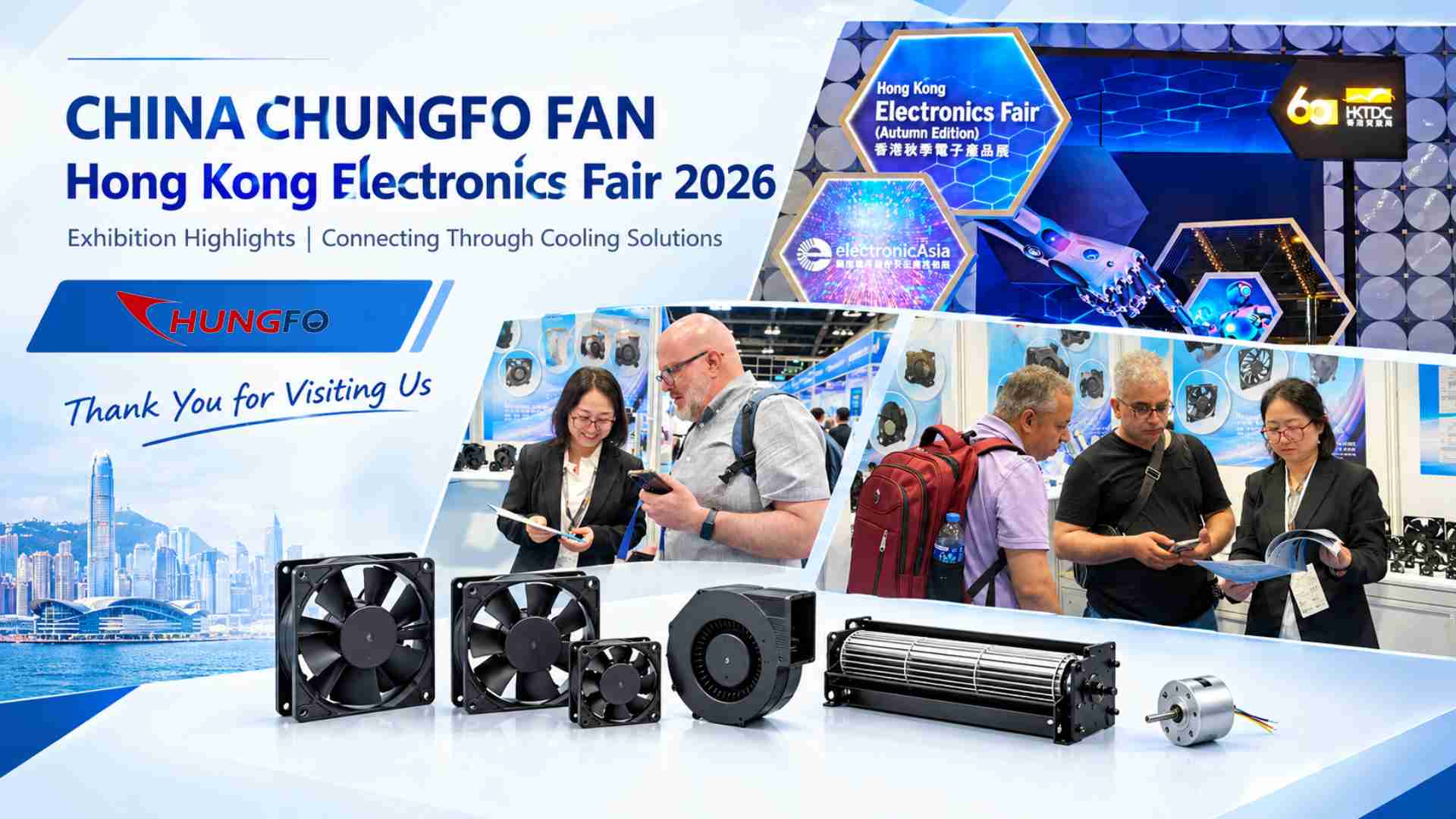
تطبيقات مراوح التبريد الصغيرة من شركة تشونغفو الصينية
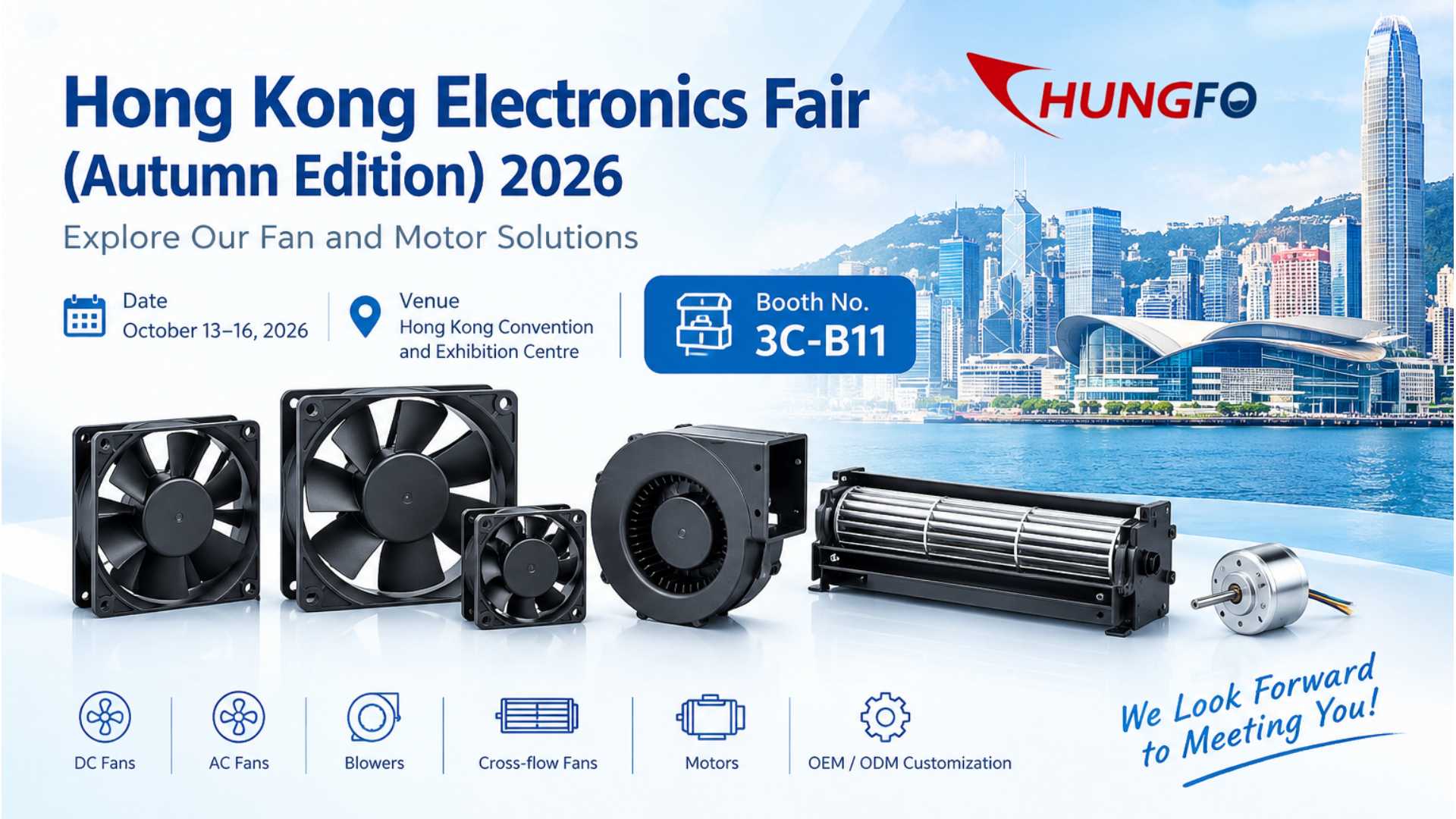
تركز شركة China Chungfo Fan على تطوير وتصنيع مراوح التيار المستمر والتيار المتردد، والمنفاخات، ومراوح التدفق المتقاطع، وحلول المحركات ذات الصلة لتطبيقات إدارة الحرارة المختلفة.
بالنسبة للأجهزة المنزلية الصغيرة، يمكن أن يعتمد اختيار المروحة على المزيج الفعلي من الحجم والجهد وتدفق الهواء والضغط والضوضاء وبيئة التشغيل ومتطلبات التخصيص.
بإمكان الشركة دعم التطبيقات التي تتطلب مروحة صغيرة لتوفير التبريد الداخلي أو التحكم في تدفق الهواء.
تشمل التطبيقات المحتملة أجهزة تنقية الهواء، وموزعات الروائح، وأجهزة الترطيب، وأجهزة إزالة الرطوبة، والمعدات البيئية المدمجة، والأجهزة المنزلية الإلكترونية، وأنظمة التحكم الصغيرة، وغيرها من المنتجات التي يجب فيها تحقيق إدارة حرارية ضمن مساحة محدودة.
بالنسبة لمصنعي الأجهزة المنزلية، فإن قيمة العمل مع مورد مراوح ذي خبرة لا تقتصر على مجرد الحصول على مروحة قياسية.
القيمة الأهم هي القدرة على مناقشة التطبيق الفعلي وتحديد بنية المروحة المناسبة.
كيفية اختيار مروحة تبريد صغيرة هادئة
عند اختيار مروحة لجهاز منزلي حديث، ينبغي على الشركات المصنعة مراعاة عدة عوامل معًا.
أولها مساحة التركيب.
يجب تحديد أقصى أبعاد للمروحة قبل اختيارها.
أما الثاني فهو تدفق الهواء.
ينبغي أن يعتمد تدفق الهواء المطلوب على الحمل الحراري الفعلي أو متطلبات معالجة الهواء.
أما الثالث فهو الضغط الساكن.
إذا كانت المروحة بحاجة إلى دفع الهواء عبر المرشحات أو الشبكات أو القنوات أو المبادلات الحرارية، فإن قدرة الضغط تصبح مهمة.
أما الرابع فهو الضوضاء.
ينبغي تقييم مستوى الضوضاء عند نقطة التشغيل الفعلية بدلاً من تقييمه فقط عند أقصى تدفق للهواء الحر.
الخامس هو الجهد الكهربائي.
يجب أن تتوافق المروحة مع البنية الكهربائية للجهاز.
أما العامل السادس فهو استهلاك الطاقة.
بالنسبة للأجهزة التي تعمل باستمرار، حتى الاختلاف الطفيف في قوة المروحة يمكن أن يتراكم على مدى فترات تشغيل طويلة.
أما المعيار السابع فهو الموثوقية.
ينبغي مراعاة ساعات التشغيل المتوقعة والظروف البيئية.
الثامن هو التحكم.
إذا كان الجهاز يحتاج إلى ضبط ذكي للسرعة، فيجب أن تدعم المروحة طريقة التحكم المناسبة.
أما التاسع فهو الاعتماد والامتثال.
بالنسبة للأجهزة المنزلية التجارية، يجب على المصنعين تحديد متطلبات السلامة والتوافق الكهرومغناطيسي التي تنطبق على المنتج الكامل والمكونات ذات الصلة.
مستقبل المراوح الهادئة في الأجهزة المنزلية الذكية
من المرجح أن يتضمن مستقبل الأجهزة المنزلية تكاملاً أكبر بين أجهزة الاستشعار وأجهزة التحكم والمحركات والمراوح والبرمجيات.
لا يحتاج الجهاز الذكي إلى تشغيل مروحه بأقصى سرعة بشكل مستمر.
بدلاً من ذلك، يمكن لأجهزة الاستشعار مراقبة درجة الحرارة، وجودة الهواء، والرطوبة، واستهلاك الطاقة، أو ظروف التشغيل.
وبذلك يستطيع جهاز التحكم تحديد سرعة المروحة المناسبة.
وهذا يخلق استراتيجية أكثر ذكاءً لإدارة الحرارة.
على سبيل المثال، قد يعمل جهاز تنقية الهواء بهدوء عندما تكون جودة الهواء الداخلي جيدة ويزيد من تدفق الهواء عندما ترتفع مستويات الجسيمات.
قد يحافظ جهاز إلكتروني صغير الحجم على سرعة مروحة منخفضة أثناء التشغيل العادي، ويزيد السرعة فقط عندما ترتفع درجة الحرارة الداخلية.
قد يقوم جهاز ترطيب الهواء بضبط تدفق هواء التبريد وفقًا لوضع التشغيل.
يمكن لهذا النوع من التحكم التكيفي أن يساعد في تحقيق التوازن بين الأداء واستهلاك الطاقة والراحة الصوتية.
تصميم المروحة الهادئة هو نظام متكامل
الدرس الأهم هو أنه لا يمكن تحقيق مستوى منخفض من الضوضاء بمجرد اختيار مروحة يتم الإعلان عنها بأنها هادئة.
المروحة ليست سوى جزء واحد من النظام.
هندسة الشفرة مهمة.
تكنولوجيا المحركات مهمة.
جودة المحامل مهمة.
توازن الدوار مهم.
تُعدّ هندسة المساكن أمراً مهماً.
تُعد مقاومة تدفق الهواء أمراً مهماً.
هيكل التثبيت مهم.
استراتيجية التحكم مهمة.
حتى موضع المروحة داخل الجهاز يمكن أن يؤثر على النتيجة الصوتية النهائية.
لذلك، يتطلب تصميم الأجهزة منخفضة الضوضاء بنجاح التعاون بين مصمم الأجهزة والشركة المصنعة للمراوح.
خاتمة
أصبحت مراوح التبريد الصغيرة الهادئة ذات أهمية متزايدة مع ازدياد ذكاء الأجهزة المنزلية وصغر حجمها وتكاملها.
قد تتطلب أجهزة تنقية الهواء، وموزعات الروائح، وأجهزة الترطيب، وأجهزة إزالة الرطوبة، والأجهزة الإلكترونية الذكية، وأجهزة التجميل، وغيرها من المنتجات المدمجة، تصميمًا دقيقًا لتدفق الهواء أو إدارة الحرارة.
في هذه التطبيقات، يجب أن تقوم المروحة بأكثر من مجرد تحريك الهواء.
يجب أن يعمل بهدوء.
يجب أن يتناسب مع مساحة محدودة.
يجب أن يستهلك طاقة مناسبة.
يجب أن يوفر تدفق هواء وضغطًا كافيين.
يجب أن يكون مقاومًا للاهتزاز.
يجب أن يحافظ على أداء موثوق به مع مرور الوقت.
ويجب أن يعمل كجزء من نظام الأجهزة الكامل.
يمكن أن تكون المروحة الصغيرة التي تعمل بتيار مستمر 12 فولت مفيدة لتطبيقات التبريد المدمجة ذات الجهد المنخفض، بينما يمكن النظر في حلول أخرى مثل المروحة الصغيرة التي تعمل بتيار متردد/مستمر وفقًا للبنية الكهربائية للمنتج. كما يوضح مفهوم مروحة Rocket RC كيف يمكن لهندسة المراوح المصغرة أن تتغلب على القيود الصارمة في الحجم والوزن والطاقة ومتطلبات التبريد.
بالنسبة لمصنعي الأجهزة الحديثة، فإن النهج الصحيح لا يقتصر على السؤال عن أي مروحة هي الأكثر هدوءًا.
السؤال الأفضل هو أي مروحة توفر أفضل توازن بين تدفق الهواء والضغط والضوضاء واستهلاك الطاقة والموثوقية ومساحة التركيب والأداء على المدى الطويل.
مع تزايد توقعات المستهلكين بأن تعمل الأجهزة المنزلية بهدوء في غرف النوم والمكاتب وأماكن المعيشة وغيرها من البيئات الشخصية، ستستمر تقنية المراوح منخفضة الضوضاء في لعب دور مهم في تصميم المنتجات.
قد تكون المروحة مخفية داخل الجهاز، لكن أداءها يمكن أن يؤثر بشكل كبير على كيفية تجربة المنتج بأكمله.
بإمكان شركة تشاينا تشونغفو للمراوح العمل مع مصنعي الأجهزة لتطوير وتوريد حلول مراوح مدمجة وفقًا لمتطلبات الجهد الكهربائي وتدفق الهواء والضغط والضوضاء والأبعاد والتطبيق المختلفة.
التعليمات
ما هي أنواع الأجهزة المنزلية التي تستخدم مراوح تبريد صغيرة؟
يمكن استخدام مراوح التبريد الصغيرة في أجهزة تنقية الهواء، وموزعات الروائح، وأجهزة الترطيب، وأجهزة إزالة الرطوبة، ومعدات تدوير الهواء المدمجة، والأجهزة الإلكترونية، ومعدات التجميل، وأجهزة المنزل الذكية، وغيرها من المنتجات التي تتطلب تدفق هواء داخلي أو تبديد الحرارة.
لماذا يُعد انخفاض مستوى الضوضاء أمراً مهماً بالنسبة لأجهزة تنقية الهواء؟
تُستخدم أجهزة تنقية الهواء عادةً لفترات طويلة، وقد تعمل في غرف النوم أو غيرها من الأماكن الهادئة. قد يدفع ضجيج المروحة المفرط المستخدمين إلى تقليل سرعة التشغيل أو إيقاف تشغيل الجهاز. لذا، يمكن لمروحة مناسبة منخفضة الضجيج أن تُوازن بين التشغيل المستمر وراحة المستخدم.
هل يعني صغر حجم المروحة دائمًا انخفاض مستوى الضوضاء؟
لا. قد تحتاج المروحة الصغيرة إلى الدوران بسرعة أعلى لتحقيق تدفق الهواء المطلوب، مما قد يزيد من الضوضاء الديناميكية الهوائية وضوضاء المحرك. ينبغي مراعاة حجم المروحة وسرعة دورانها وتصميم شفراتها ومقاومة تدفق الهواء وتقنية المحرك وتصميم الهيكل معًا.
ما هو استخدام المروحة الصغيرة التي تعمل بجهد 12 فولت تيار مستمر؟
يمكن استخدام مروحة صغيرة تعمل بجهد 12 فولت تيار مستمر لتطبيقات التبريد المدمجة حيث يحتوي الجهاز على نظام طاقة تيار مستمر منخفض الجهد. تشمل التطبيقات النموذجية حجرات التحكم الإلكترونية، والأجهزة المنزلية الصغيرة، وأجهزة معالجة الهواء، وأنظمة إدارة الحرارة الصغيرة الأخرى.
هل يمكن تخصيص مروحة صغيرة؟
نعم. اعتمادًا على الشركة المصنعة والتطبيق، يمكن تخصيص أبعاد المروحة والجهد والتيار وتدفق الهواء والضغط والأسلاك والموصلات وهيكل التركيب وخصائص السرعة وغيرها من المعايير.
لماذا يصبح صوت المروحة أعلى بعد تركيبها؟
قد يؤثر هيكل الجهاز، والفلتر، والشبكة، والقناة، ومسار تدفق الهواء المحدود على نقطة تشغيل المروحة. وقد تتطلب زيادة مقاومة تدفق الهواء سرعة مروحة أعلى، مما قد يزيد من الضوضاء الديناميكية الهوائية. كما يمكن أن تُحدث الاهتزازات المنتقلة عبر الهيكل صوتًا إضافيًا.
هل مراوح التيار المستمر عديمة الفرش مناسبة للأجهزة المنزلية؟
تُعدّ مراوح التيار المستمر عديمة الفرش مناسبة للعديد من تطبيقات الأجهزة المنزلية الصغيرة، نظرًا لقدرتها على توفير تشغيل فعال وقابل للتحكم. مع ذلك، يجب اختيار المحرك ونظام التحكم المناسبين وفقًا لجهد التشغيل، والسرعة، وتدفق الهواء، ومستوى الضوضاء، والموثوقية، ومتطلبات التشغيل الخاصة بالتطبيق.
ما الذي يجب على المصنّعين مراعاته عند اختيار مروحة هادئة؟
ينبغي على المصنعين مراعاة أبعاد المروحة، والجهد، والتيار، وتدفق الهواء، والضغط الساكن، والضوضاء، والاهتزاز، واستهلاك الطاقة، ونوع المحمل، ودرجة حرارة التشغيل، والرطوبة، وعمر الخدمة، وطريقة التحكم، وهيكل التركيب، ومسار تدفق الهواء الفعلي داخل الجهاز.
هل يمكن استخدام نفس المروحة لجهاز تنقية الهواء وجهاز نشر الروائح العطرية؟
ليس بالضرورة. قد يختلف الجهازان في تدفق الهواء، والضغط، والمساحة، ومستوى الضوضاء، والرطوبة، ومتطلبات التشغيل. لذا، ينبغي اختيار المروحة وفقًا للاستخدام الفعلي، بدلًا من افتراض أن نموذجًا واحدًا يناسب جميع المنتجات.
لماذا يجب إجراء اختبار المروحة داخل الجهاز نفسه؟
يؤثر مسار تدفق الهواء وهيكل المروحة بشكل كبير على أدائها. وقد لا يعكس اختبار المروحة في الهواء الطلق فقط أداءها بدقة بعد تركيبها خلف المرشحات أو الشبكات أو القنوات أو المكونات الأخرى.
كيف يمكن للمصنعين تقليل ضوضاء المراوح؟
يمكن تقليل الضوضاء من خلال تصميم الشفرات المناسب، وتحسين تشغيل المحرك، وتوازن المكونات الدوارة، والمحامل المناسبة، وعزل الاهتزازات، ومسارات تدفق الهواء الأفضل، وسرعة المروحة المناسبة، وتصميم الهيكل المحسن.
ما هو دور مورد المراوح في تطوير الأجهزة المنزلية؟
يمكن لمورد مراوح ذي خبرة مساعدتك في تقييم متطلبات تدفق الهواء، ومتطلبات الضغط، والأبعاد، والجهد الكهربائي، ومستويات الضوضاء المستهدفة، وظروف التركيب، وطرق التحكم، ومتطلبات التخصيص. يُسهم التعاون المبكر في تقليل مخاطر اكتشاف مشاكل متعلقة بالمراوح في مراحل متأخرة من تطوير المنتج. أصبحت الأجهزة المنزلية الحديثة أصغر حجمًا، وأكثر ذكاءً، وأقل ضوضاءً، وأكثر تعددًا في الوظائف. وتعتمد أجهزة تنقية الهواء، وموزعات الروائح، وأجهزة الترطيب، وأجهزة إزالة الرطوبة، وأجهزة تدوير الهواء المدمجة، ووحدات التحكم الذكية، وأجهزة التجميل، وغيرها من المنتجات المنزلية بشكل متزايد على المراوح الصغيرة لتحريك الهواء، وإزالة الحرارة، وتحسين تدفق الهواء الداخلي، أو حماية المكونات الإلكترونية.
مع ذلك، فإن تركيب مروحة داخل جهاز صغير الحجم لا يقتصر على اختيار طراز قادر على تحريك كمية كافية من الهواء. بل يجب أن تتناسب المروحة أيضاً مع المساحة المتاحة، وأن تعمل بكفاءة، وأن تستهلك طاقة معقولة، وأن تتحكم في الحرارة بفعالية، والأهم من ذلك كله، ألا تُصدر ضوضاء مزعجة.
ولهذا السبب أصبحت مراوح التبريد الصغيرة الهادئة ذات أهمية متزايدة في تصميم الأجهزة المنزلية الحديثة.
بالنسبة للمستهلكين، قد يؤثر ضجيج المروحة على الانطباع العام عن جودة المنتج. قد يحتوي جهاز متطور تقنيًا على إلكترونيات ومستشعرات ومحركات وأنظمة تحكم ممتازة، ولكن إذا كانت مروحة التبريد الداخلية تُصدر طنينًا مزعجًا أو اهتزازًا أو صوتًا عالي التردد، فقد يعتبر المستخدمون المنتج غير مريح.
يُعد هذا الأمر بالغ الأهمية بشكل خاص للأجهزة المستخدمة في غرف النوم، وغرف المعيشة، والمكاتب المنزلية، وغرف الأطفال، وأماكن الاسترخاء، وغيرها من البيئات الهادئة.
تُعدّ أجهزة تنقية الهواء مثالًا واضحًا على ذلك. غالبًا ما يتوقع المستخدمون أن تعمل هذه الأجهزة لساعات طويلة، بما في ذلك أثناء النوم. إذا أصبح صوت المروحة مرتفعًا جدًا عند السرعات العالية، فقد يُخفّض المستخدمون سرعة المروحة أو يُطفئون الجهاز. يُؤدي هذا إلى تعارض عملي بين كفاءة تدفق الهواء وراحة المستخدم. تُولي اختبارات أجهزة تنقية الهواء الحالية وإرشادات المستهلك اهتمامًا متزايدًا لكلٍ من كفاءة التنظيف ومستوى الضوضاء، بدلًا من اعتبار الضوضاء مواصفة ثانوية.
بالنسبة للمصنعين، هذا يعني أنه ينبغي مراعاة اختيار المروحة خلال المرحلة المبكرة من تطوير المنتج بدلاً من بعد الانتهاء من تصميم هيكل الجهاز والنظام الإلكتروني.
لماذا يُعدّ مستوى الضوضاء مهمًا في الأجهزة المنزلية الحديثة
لم يعد الضجيج مجرد معيار هندسي، بل أصبح جزءًا من تجربة المستخدم.
قد تبدو المروحة الصغيرة غير مهمة عند النظر إليها كعنصر منفرد. ولكن بمجرد تركيبها داخل جهاز منزلي صغير، يمكن أن يؤثر أداؤها الصوتي بشكل كبير على الصوت الصادر من الجهاز بأكمله.
هناك عدة أسباب لذلك.
أولاً، تُستخدم العديد من الأجهزة المنزلية بالقرب من الأشخاص. فقد يوضع جهاز تنقية الهواء الصغير بجانب السرير، وجهاز نشر الروائح العطرية على المكتب، وجهاز ترطيب الهواء بجانب الأريكة، ومروحة تبريد صغيرة داخل جهاز تجميل قد تعمل على بُعد بضعة سنتيمترات فقط من أذني المستخدم.
ثانياً، من المتوقع أن تعمل العديد من الأجهزة الحديثة لفترات طويلة. فالمروحة التي قد تكون مقبولة لبضع دقائق قد تصبح مزعجة بعد عدة ساعات.
ثالثًا، غالبًا ما تكون المنازل الحديثة أكثر هدوءًا من البيئات الصناعية. ففي غرفة نوم هادئة ليلًا، حتى أدنى صوت ميكانيكي أو هوائي قد يصبح ملحوظًا. كما تُشير الأبحاث والإرشادات الاستهلاكية المتعلقة بأجهزة تنقية الهواء إلى أن ضجيج المراوح يصبح أكثر وضوحًا في البيئات الهادئة، وخاصةً في الليل.
لهذا السبب، يحتاج المصنعون إلى مراعاة السلوك الصوتي الكامل للمروحة بدلاً من النظر فقط إلى تدفق الهواء المقدر.
لماذا تُستخدم مراوح التبريد الصغيرة داخل الأجهزة المنزلية؟
يمكن للمروحة الصغيرة أن تؤدي وظائف مختلفة داخل الأجهزة المنزلية.
تتمثل الوظيفة الأولى في التبريد المباشر للمكونات.
تُنتج لوحات التحكم الإلكترونية، ومصادر الطاقة، ووحدات LED، وأجهزة الاستشعار، ووحدات الاتصال اللاسلكي، والمحركات، وغيرها من المكونات حرارةً أثناء التشغيل. حتى عندما لا يبدو الجهاز ساخنًا من الخارج، قد ترتفع درجة الحرارة داخل غلافه الصغير بشكل ملحوظ.
يمكن لمروحة تبريد صغيرة تحريك الهواء عبر هذه المكونات ونقل الحرارة باتجاه فتحة العادم.
الوظيفة الثانية هي دوران الهواء الداخلي.
تحتوي بعض الأجهزة على عدة حجرات داخلية. وبدون تدفق هواء مُتحكم به، قد يتراكم الهواء الساخن حول المحرك أو مصدر الطاقة أو لوحة التحكم. يمكن لمروحة صغيرة أن تساعد في توزيع الهواء بشكل أكثر تساوياً وتقليل النقاط الساخنة الموضعية.
الوظيفة الثالثة هي الحماية الحرارية.
للمكونات الإلكترونية حدود لدرجة حرارة التشغيل. فارتفاع درجة الحرارة بشكل مفرط قد يقلل من كفاءتها، ويسرع من تلفها، أو يتسبب في إيقاف تشغيلها تلقائيًا. ويمكن لمروحة تبريد مناسبة أن تساعد في الحفاظ على بيئة حرارية داخلية أكثر استقرارًا.
الوظيفة الرابعة هي المساعدة في تدفق الهواء.
في بعض المنتجات، تُعدّ المروحة جزءًا من نظام تدفق الهواء الأساسي، وليست مجرد جهاز تبريد إلكتروني. ومن الأمثلة على ذلك أجهزة تنقية الهواء وأجهزة معالجة الهواء، حيث يؤثر أداء المروحة بشكل مباشر على حركة الهواء داخل المنتج.
هذا التمييز مهم لأن المروحة المصممة لتبريد الإلكترونيات قد يكون لها متطلبات مختلفة تمامًا عن المروحة المستخدمة لدفع الهواء عبر مرشح عالي المقاومة.