
فئات
بلوق جديد
لماذا تعد مروحة محورية قوية وهادئة ضرورية للغاية لمعدات المختبرات عالية الجودة؟
August 17 , 2026تم تصميم معدات المختبرات المتطورة لتحقيق الدقة والاستقرار وقابلية التكرار والتشغيل طويل الأمد. سواء تم استخدام المعدات في البحث العلمي، أو الاختبارات التحليلية، أو التحليل الطبي، أو اختبار المواد، أو المراقبة البيئية، أو القياس البصري، أو الفحص الإلكتروني، فإن الإدارة الحرارية تعد أحد العوامل الهندسية الأساسية وراء الأداء الموثوق.
أصبحت أجهزة المختبرات الحديثة أكثر إحكامًا وتكاملًا بشكل متزايد. فقد يحتوي هيكل واحد على معالجات، وأجهزة استشعار، ومصادر طاقة، ولوحات تحكم، ووحدات اتصال، ومكونات بصرية، وشاشات عرض، ومحركات محركات، ودوائر إلكترونية أخرى. وتولد جميع هذه المكونات تقريبًا حرارة أثناء التشغيل.
عندما تتراكم الحرارة داخل هيكل مدمج، فإندرجة الحرارة الداخلية ترتفع تدريجيًا. ويمكن أن تؤثر درجة الحرارة المفرطة على خصائص المكونات، وتسرّع التقادم، وتزيد الإجهاد الحراري، وتقلل استقرار النظام، وفي بعض التطبيقات تؤثر على دقة القياس.
ولهذا السبب لا ينبغي أبدًا اعتبار التبريد أمرًا ثانويًا عند تصميم معدات المختبرات المتطورة.
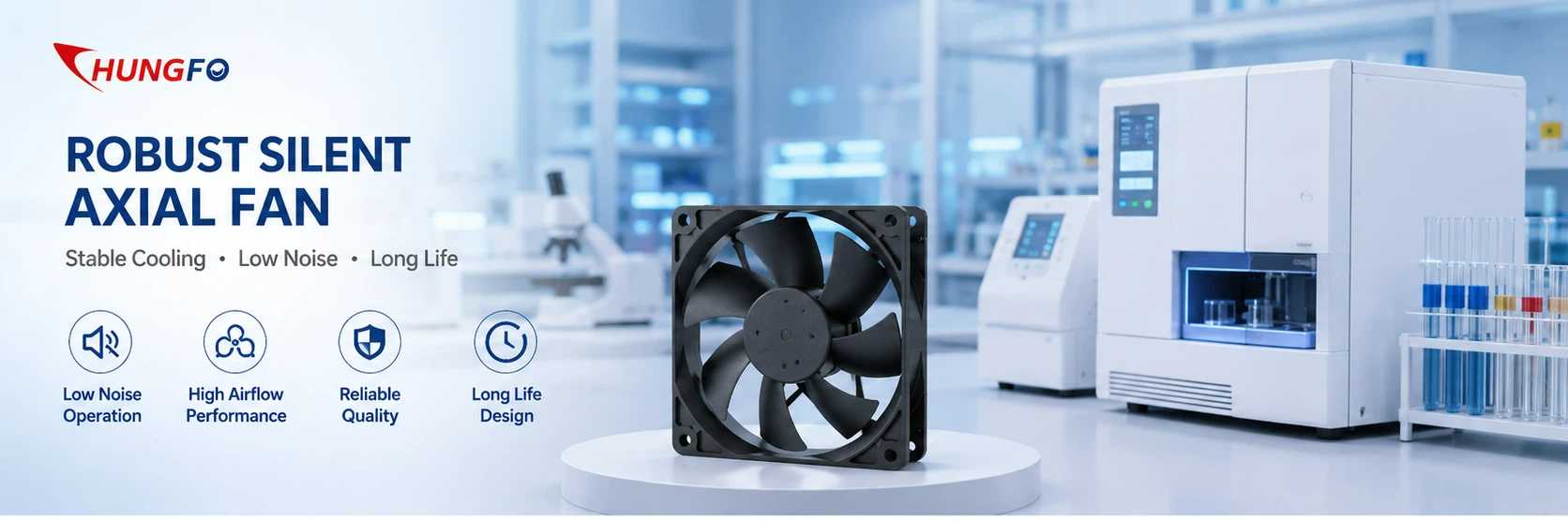
إن مروحة محورية صامتة ومتينةيمكن أن تصبح جزءًا مهمًا من نظام الإدارة الحرارية لأنها توفر تدفق هواء قسريًا ضمن هيكل ميكانيكي مدمج وبسيط نسبيًا.
ومع ذلك، فإن اختيار مروحة لمعدات المختبرات أكثر تعقيدًا بكثير من اختيار منتج ذي أعلى مواصفة لتدفق الهواء. يحتاج المهندسون إلى مراعاة الضوضاء، والاهتزاز، والضغط الساكن، وهيكل المحمل، والجهد الكهربائي، والتحكم في السرعة، ودرجة حرارة التشغيل، وعمر الخدمة، ومساحة التركيب، واتجاه تدفق الهواء، واتساق التصنيع.
لذلك فإن مروحة التبريد المثالية هي مكوّن تم اختياره بعناية وليس ملحقًا عامًا.
لماذا تهم الإدارة الحرارية في معدات المختبرات المتطورة
يُعد الاستقرار الحراري مهمًا بشكل خاص في تطبيقات المختبرات لأن العديد من الأجهزة مصممة لتقديم نتائج قابلة للتكرار.
قد يستمر منتج إلكتروني استهلاكي تقليدي في العمل حتى عند تغير درجة حرارته الداخلية بشكل كبير. أما جهاز المختبر الدقيق فقد لا يمتلك نفس مستوى التحمل.
يمكن أن تتأثر خصائص أجهزة الاستشعار بدرجة الحرارة. وقد تشهد الدوائر الإلكترونية تغيرات في المعلمات. ويمكن أن تتأثر المكونات البصرية بالتمدد الحراري. وقد تولد وحدات الطاقة حرارة إضافية مع زيادة حمل التشغيل.
لهذا السبب، يجب ألا تقتصر الإدارة الحرارية على منع ارتفاع درجة الحرارة الكارثي فقط. بل ينبغي أن تساعد أيضًا في الحفاظ على بيئة تشغيل داخلية يمكن التنبؤ بها.
ضع في الاعتبار جهازًا تحليليًا يعمل بشكل مستمر لعدة ساعات. عند بدء التشغيل، قد تكون المكونات الداخلية باردة نسبيًا. ومع استمرار تشغيل المعالج، ومصدر الطاقة، وأجهزة الاستشعار، وأنظمة الإضاءة، ودوائر التحكم، تتراكم الحرارة تدريجيًا.
إذا كانت المعدات ذات تدفق هواء غير كافٍ، فقد تستمر درجة الحرارة الداخلية في الارتفاع حتى يصل النظام إلى حالة حرارية غير مرغوبة.
يوفر نظام تبريد بالهواء القسري مصمم بشكل صحيح طريقة مستمرة لإزالة هذه الحرارة.
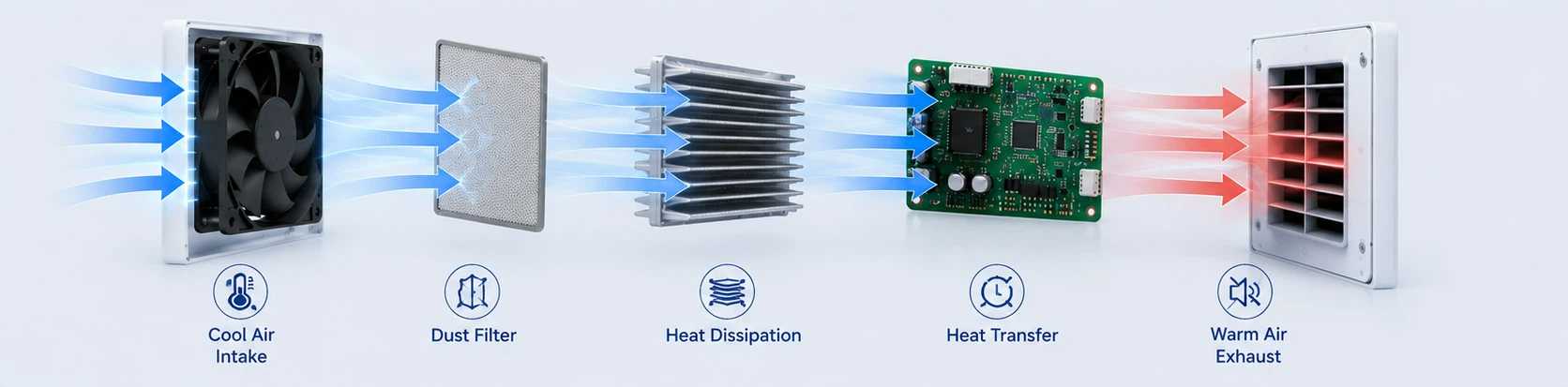
يمكن للمروحة المحورية سحب الهواء المحيط إلى داخل المعدات، وتوجيه تدفق الهواء نحو المكونات المولدة للحرارة، ونقل الهواء الدافئ نحو فتحة العادم.
عندما يكون مسار تدفق الهواء مصممًا بشكل صحيح، يمكن إزالة الحرارة باستمرار بدلًا من تراكمها داخل الهيكل.
وهذا أحد الأسباب الرئيسية التي تجعل المروحة الموثوقة ضرورية لمعدات المختبرات ذات المتطلبات العالية.
لماذا تُعد الضوضاء المنخفضة متطلبًا أساسيًا
تختلف بيئات المختبرات عادةً عن أرضيات التصنيع.
قد تعمل الآلات الصناعية في بيئات تكون فيها الضوضاء الخلفية مرتفعة بالفعل. وعلى العكس، تتطلب المختبرات غالبًا بيئة عمل محكومة وهادئة نسبيًا.
قد يقضي الباحثون والمهندسون والفنيون وموظفو المختبر ساعات طويلة بالقرب من المعدات.
وقد يحتاجون إلى مراقبة التجارب، والتواصل مع الزملاء، وتسجيل القياسات، وتحليل النتائج، وإعداد العينات، أو تنفيذ مهام تفصيلية أخرى.
يمكن أن تصبح مروحة التبريد التي تولد ضوضاء مفرطة مصدرًا غير مرغوب فيه للإزعاج الصوتي المستمر.
لا تكمن المشكلة بالضرورة في أن الصوت مرتفع جدًا. فالضوضاء الميكانيكية المستمرة قد تكون أكثر ملاحظة من الضوضاء العرضية لأن الأذن البشرية تصبح أكثر وعيًا بالأصوات المتكررة.
بالنسبة للمعدات المتطورة، يؤثر الأداء الصوتي أيضًا على الجودة المدركة للمنتج.
يوفر جهاز مختبر متطور يعمل بدرجة حرارة مستقرة وانبعاث صوتي منخفض تجربة مستخدم أفضل عمومًا من نظام يعتمد على مروحة عالية السرعة تعمل باستمرار بأقصى سرعة.
لذلك ينبغي اعتبار الضوضاء المنخفضة جزءًا من تصميم التبريد الكلي.
ولا ينبغي التعامل معها كميزة يمكن إضافتها ببساطة بعد تحديد متطلبات تدفق الهواء.
كيف يؤثر تصميم المروحة على الضوضاء
يمكن أن تساهم عدة عوامل في ضوضاء مروحة التبريد.
تؤثر هندسة الشفرات على الصوت الديناميكي الهوائي. وتؤثر سرعة الدوران على كل من تدفق الهواء والانبعاث الصوتي. ويمكن لعدم اتزان الدوار أن يسبب اهتزازًا ميكانيكيًا. وقد تسهم حركة المحمل في الضوضاء الميكانيكية. كما يمكن للإلكترونيات الخاصة بالمحرك أن تنتج ضوضاء كهربائية أو كهرومغناطيسية.
لذلك فإن تقليل الضوضاء يتطلب مزيجًا من التصميم الميكانيكي والكهربائي.
يمكن للدوار المتوازن بشكل صحيح تقليل الاهتزاز. كما يمكن لهندسة الشفرات المحسّنة تحسين كفاءة تدفق الهواء. ويمكن للتحكم المناسب في المحرك تقليل تغيرات السرعة غير الضرورية. ويمكن لاختيار المحمل المناسب أن يساهم في تشغيل أكثر سلاسة.
ولهذا السبب يمكن أن تمتلك مروحتان لهما أبعاد متشابهة وتدفق هواء مصنف مماثل خصائص صوتية مختلفة بشكل ملحوظ.
بالنسبة لمصنعي معدات المختبرات، يجب تقييم المروحة كنظام كهروميكانيكي متكامل.
لماذا يستحق الاهتزاز اهتمامًا خاصًا
يُعد الاهتزاز اعتبارًا مهمًا آخر لمعدات المختبر.
تحتوي المروحة على مكونات دوّارة. إذا لم يكن الدوّار متوازنًا بشكل صحيح، فقد تؤدي قوى الطرد المركزي إلى حدوث اهتزاز أثناء التشغيل.
قد تشمل المصادر الأخرى للاهتزاز حركة المحامل، وخصائص المحرك، وتشوه الإطار، وظروف التثبيت، والرنين بين المروحة وغطاء المعدات.
في الغلاف الإلكتروني القياسي، قد لا يسبب الاهتزاز الطفيف مشكلة فورية.
ومع ذلك، في جهاز مختبري يحتوي على تجميعات بصرية، أو مستشعرات دقيقة، أو أنظمة تصوير، أو أنظمة تحديد موضع ميكانيكية، أو مكونات حساسة أخرى، قد يكون الاهتزاز أكثر أهمية.
حتى عندما لا يؤثر الاهتزاز بشكل مباشر على دقة القياس، فإن الاهتزاز الميكانيكي طويل الأمد يمكن أن يزيد الضغط على الهياكل الداخلية ونقاط التثبيت.
لذلك، يُعد الموازنة الديناميكية عملية تصنيع ومراقبة جودة مهمة لمراوح التبريد المستخدمة في التطبيقات الصعبة.
يمكن للدوّار المتوازن أن يدور بسلاسة أكبر ويقلل القوى المنقولة إلى المعدات.
يُعد التثبيت مهمًا بالقدر نفسه.
حتى المروحة ذات خصائص التوازن الممتازة يمكن أن تنتج اهتزازًا مفرطًا إذا تم تثبيتها مقابل هيكل رنّان أو تم تركيبها مع إجهاد ميكانيكي مفرط.
لذلك، يجب دائمًا النظر في اختيار المروحة مع تصميم الغلاف وطريقة التثبيت.
لماذا يهم اختيار المحامل
يؤثر نظام المحامل بشكل كبير على أداء المروحة.
يُؤخذ تصميم مروحة المحمل الانزلاقي بعين الاعتبار عادةً عندما يكون البناء المدمج والتشغيل السلس والكفاءة من حيث التكلفة أمورًا مهمة. وقد استُخدمت تصاميم المحامل الانزلاقية على نطاق واسع في مراوح التبريد الصغيرة ويمكن أن توفر أداءً مرضيًا في ظروف التشغيل المناسبة.
ومع ذلك، يجب أن يعتمد اختيار المحمل على التطبيق وليس على السعر فقط.
قد تعمل المعدات المختبرية لفترات طويلة وقد تتعرض لدرجات حرارة داخلية مرتفعة.
في ظل هذه الظروف، يجب على المهندسين مراعاة عمر الخدمة المتوقع، ودرجة حرارة التشغيل، واتجاه التثبيت، والسرعة الدورانية، وخصائص التزييت، ووقت التشغيل المستمر.
قد لا يوفر نظام محامل يعمل جيدًا في تطبيق معين العمر الافتراضي نفسه بالضرورة في تطبيق آخر.
ولهذا السبب، ينبغي للمصنعين تقييم بيئة التشغيل المتوقعة قبل اختيار تكوين المحامل النهائي.
الهدف ليس ببساطة العثور على أقل محمل تكلفة.
الهدف هو العثور على نظام محامل يوفر الموثوقية المناسبة وخصائص الضوضاء وعمر التشغيل للمعدات المقصودة.
لماذا تُعد مراوح التبريد منخفضة الجهد مفيدة
تستخدم العديد من الأجهزة المختبرية المدمجة أنظمة إلكترونية منخفضة الجهد.
يمكن أن تعمل بنية الطاقة منخفضة الجهد على تبسيط تصميم لوحات التحكم والوحدات الإلكترونية الأخرى.
Aمروحة تبريد 5 فولت تيار مستمريمكن أن تكون مفيدة بشكل خاص عندما توفر المعدات بالفعل خط طاقة مستقرًا بجهد 5V.
يمكن أن يؤدي استخدام مروحة تتوافق مع البنية الكهربائية الحالية إلى تبسيط تكامل النظام وتقليل الحاجة إلى مكونات تحويل طاقة إضافية.
ومع ذلك، يجب ألا يختار المهندسون المروحة أبدًا بناءً على الجهد المقنن فقط.
تشمل المعلمات الكهربائية المهمة نطاق جهد التشغيل، والتيار المقنن، وجهد بدء التشغيل، وسلوك الدوّار المقفل، والسرعة، واستهلاك الطاقة، وطريقة التحكم.
قد تكون المروحة متوافقة كهربائيًا لكنها تفشل مع ذلك في توفير تبريد كافٍ إذا لم يتطابق أداؤها من حيث تدفق الهواء أو الضغط الساكن مع الغلاف.
لذلك، يجب إجراء الاختيار الكهربائي والاختيار الحراري معًا.
تدفق الهواء ليس معلمة الأداء الوحيدة
يُعد أقصى تدفق للهواء أحد أكثر مواصفات المروحة وضوحًا، لكنه لا يكفي للتنبؤ بأداء التبريد الفعلي.
عادةً ما يُقاس أقصى تدفق هواء للمروحة في ظروف ذات مقاومة منخفضة جدًا لتدفق الهواء.
تختلف المعدات المختبرية الحقيقية عن ذلك.
يجب أن يمر الهواء عبر المرشحات، والشبكات، والمشتتات الحرارية، والقنوات، والهياكل الواقية، ولوحات الدوائر، والأسلاك، والمكونات الداخلية الأخرى.
يمكن لكل عنصر من هذه العناصر أن يسبب مقاومة.
مع زيادة المقاومة، ينخفض تدفق الهواء الفعلي أثناء التشغيل.
ولهذا السبب يكون الضغط الساكن مهمًا.
يمكن لمروحة ذات قدرة ضغط قوية الحفاظ على تدفق هواء مفيد عندما يحتوي النظام على مكونات ذات مقاومة عالية.
لذلك، يجب على المهندسين مراعاة كل من خصائص تدفق الهواء والضغط الخاصة بالمروحة.
نقطة التشغيل الأكثر فائدة هي حيث يتقاطع منحنى أداء المروحة مع منحنى مقاومة المعدات.
يوفر ذلك مؤشرًا أكثر واقعية بكثير لأداء التبريد الفعلي مقارنة بمواصفة الحد الأقصى لتدفق الهواء الحر وحدها.
لماذا يعتبر التحكم في السرعة عبر PWM ذا قيمة
يمكن أن يتغير الحمل الحراري للمعدات المختبرية بشكل كبير أثناء التشغيل.
أثناء وضع الاستعداد، قد تولد المعدات كمية قليلة نسبيًا من الحرارة.
أثناء معالجة البيانات المكثفة، أو القياس عالي القدرة، أو معالجة الصور، أو تحليل العينات، أو الوظائف الأخرى التي تتطلب جهدًا كبيرًا، قد يزداد توليد الحرارة بشكل ملحوظ.
يُعد تشغيل مروحة التبريد باستمرار بأقصى سرعة إحدى الطرق لضمان قدرة تبريد عالية، لكنه يمتلك عيوبًا.
تعني السرعة الأعلى عادةً خرجًا صوتيًا أعلى واحتمال استهلاك طاقة أكبر.
يوفر التحكم عبر PWM نهجًا أكثر مرونة.
يمكن دمج مروحة pwm مقاس 90mm مع نظام مراقبة وتحكم في درجة الحرارة بحيث تتغير سرعة المروحة وفقًا للحالة الحرارية الفعلية للمعدات.
عندما تكون درجة الحرارة الداخلية منخفضة، يمكن للمروحة العمل بسرعة أقل.
مع ارتفاع درجة الحرارة، يمكن لنظام التحكم زيادة سرعة المروحة.
يسمح هذا النهج لنظام التبريد بالاستجابة ديناميكيًا للأحمال الحرارية المتغيرة.
كما يمكنه تقليل الضوضاء غير الضرورية خلال الفترات التي لا تكون فيها أقصى قدرة تبريد مطلوبة.
بالنسبة للمعدات المختبرية المتطورة، يمكن أن يكون هذا التوازن بين الأداء الحراري والأداء الصوتي ذا قيمة خاصة.
لماذا يجب أن يتوافق حجم المروحة مع المعدات
اختيار أكبر مروحة ممكنة ليس دائمًا القرار الهندسي الصحيح.
قد تولد المروحة الأكبر تدفق هواء أكبر بسرعة دوران أقل، وهو ما يمكن أن يكون مفيدًا لتقليل الضوضاء.
ومع ذلك، تتطلب المراوح الأكبر مساحة فعلية أكبر وقد لا تناسب الأجهزة المختبرية المدمجة.
يمكن تركيب المراوح الأصغر في المساحات الضيقة، لكنها قد تحتاج إلى سرعات دوران أعلى لتحقيق تدفق الهواء المطلوب.
يمكن أن تزيد سرعة الدوران الأعلى من الخرج الصوتي وقد تؤثر أيضًا على العمر الميكانيكي.
لذلك، يجب تحديد حجم المروحة الصحيح بناءً على النظام الكامل.
يجب على المهندسين مراعاة أبعاد الهيكل، ومساحة التركيب المتاحة، وتدفق الهواء المطلوب، والضغط الساكن، والحمل الحراري، والضوضاء المقبولة، واستهلاك الطاقة، ومتطلبات التحكم.
ينبغي اعتبار حل التبريد بشكل مثالي في بداية عملية التصميم الميكانيكي.
إذا تم اختيار المروحة فقط بعد الانتهاء من تصميم الهيكل، فقد يكتشف المهندسون أن مسار تدفق الهواء المتاح ضيق جدًا أو أن فتحة العادم غير كافية.
يمكن للتخطيط الحراري المبكر منع هذه المشكلات.
اتجاه تدفق الهواء وتصميم الهيكل
يُعد موضع المروحة مهمًا بقدر أهمية المروحة نفسها.
يجب أن ينشئ نظام التبريد المصمم جيدًا مسارًا واضحًا لتدفق الهواء.
يجب أن يدخل الهواء البارد إلى الهيكل من منطقة إدخال مناسبة.
يجب أن يمر تدفق الهواء عبر المكونات المولدة للحرارة أو بالقرب منها.
بعد ذلك، يجب توجيه الهواء الساخن نحو منطقة عادم مخصصة.
إذا كانت فتحات الإدخال والعادم قريبة جدًا من بعضها، فقد يعاد تدوير الهواء الساخن.
إعادة التدوير تعني أن المروحة تسحب هواءً تم تسخينه بالفعل داخل المعدات.
يؤدي ذلك إلى تقليل فرق درجة الحرارة بين الهواء الداخل والمكونات الساخنة، مما يقلل فعالية التبريد.
يمكن لترتيب PCB، وموضع المشتت الحراري، وتوجيه الكابلات، وموقع المرشح، والشبكات الواقية، والجدران الداخلية أن تؤثر جميعها على تدفق الهواء.
لذلك، يجب التعامل مع اختيار المروحة وتصميم الهيكل باعتبارهما مشكلة هندسية حرارية متكاملة.
الموثوقية أثناء التشغيل المستمر
قد يُتوقع أن تعمل معدات المختبر لساعات عديدة كل يوم.
قد تظل بعض الأجهزة نشطة طوال يوم عمل كامل. وقد تعمل أجهزة أخرى بشكل مستمر أثناء التجارب طويلة الأمد أو الاختبارات الآلية.
لذلك يجب أن تكون مروحة التبريد قادرة على تحمل الدوران المستمر ودورات بدء التشغيل المتكررة.
تعتمد الموثوقية على العديد من العوامل.
يجب أن يعمل المحرك بثبات.
يجب أن يحافظ المحمل على أداء مناسب.
يجب أن يظل الدوار متوازنًا.
يجب أن يحافظ الهيكل على الاستقرار الإنشائي.
يجب أن تظل دائرة التحكم الإلكترونية موثوقة.
يجب أن تتحمل المواد درجة حرارة التشغيل المتوقعة.
يجب أيضًا الحفاظ على اتساق التصنيع من دفعة إلى أخرى.
لهذا السبب يطلب مصنعو المراوح المحترفون إجراءات اختبار متعددة.
يمكن لاختبارات درجات الحرارة المرتفعة والمنخفضة تقييم القدرة على تحمل الظروف البيئية.
يمكن لاختبارات تدفق الهواء والضغط التحقق من الأداء الديناميكي الهوائي.
يمكن لاختبارات الضوضاء تقييم الخصائص الصوتية.
يمكن للموازنة الديناميكية تقليل عدم اتزان الدوار.
يمكن للاختبارات الكهربائية التحقق من خصائص التشغيل.
يمكن لاختبارات التحمل المساعدة في تقييم الموثوقية طويلة الأمد.
يوفر نظام اختبار شامل لمصنعي المعدات ثقة أكبر عند دمج مروحة تبريد في جهاز مختبري عالي القيمة.
لماذا يهم اتساق التصنيع
لا تضمن مواصفات المنتج وحدها أداءً متطابقًا في العالم الحقيقي.
قد تمتلك مروحتان الحجم نفسه للهيكل والجهد المقنن والسرعة الاسمية نفسها، ومع ذلك تنتجان مستويات مختلفة من الاهتزاز أو الضوضاء أو تدفق الهواء أو التيار الكهربائي.
يمكن أن تؤثر الاختلافات الصغيرة في هندسة الشفرات وتوازن الدوار وملف المحرك وجودة المحمل ودقة القولبة بالحقن ودقة التجميع والمكونات الإلكترونية على الأداء.
بالنسبة لمصنعي معدات المختبرات، يُعد الاتساق مهمًا بشكل خاص.
قد يقوم فريق الهندسة بالتحقق من صحة مروحة التبريد أثناء تطوير النموذج الأولي، لكن الإنتاج الضخم يتطلب أن تحافظ كل دفعة لاحقة على خصائص مماثلة.
وهذا يجعل القدرة التصنيعية ومراقبة الجودة عاملين مهمين عند اختيار مورد.
يمكن أن يتمتع المورد الذي يمتلك قدرات متكاملة في التصميم والقولبة والإلكترونيات والتجميع والاختبار بتحكم أفضل في اتساق الإنتاج.
تساعد إدارة الجودة أيضًا في تقليل الاختلافات غير المتوقعة.
كيفية اختيار المروحة المناسبة لمعدات المختبر
يجب أن تبدأ عملية الاختيار العملية بالمتطلبات الحرارية.
تتمثل الخطوة الأولى في تحديد كمية الحرارة الناتجة عن المعدات أثناء ظروف التشغيل العادية والقصوى.
تتمثل الخطوة الثانية في تقييم مساحة التركيب المتاحة.
تتمثل الخطوة الثالثة في حساب أو تقدير مقاومة تدفق الهواء في النظام.
تتمثل الخطوة الرابعة في تحديد نقطة تشغيل تدفق الهواء والضغط الساكن المطلوبة.
تتمثل الخطوة الخامسة في تحديد مستويات الصوت والاهتزاز المقبولة.
تتمثل الخطوة السادسة في تحديد المتطلبات الكهربائية، بما في ذلك الجهد والتيار وسلوك بدء التشغيل والتحكم في السرعة.
تتمثل الخطوة السابعة في تقييم درجة حرارة التشغيل وعمر الخدمة المتوقع.
تتمثل الخطوة النهائية في تقييم نظام الجودة لدى الشركة المصنعة وقدرات الاختبار وقدرات التخصيص واتساق الإنتاج.
توفر هذه العملية أساسًا أكثر موثوقية لاختيار المروحة مقارنة باختيار منتج يعتمد فقط على الحد الأقصى لتدفق الهواء.
كيف تدعم Chungfo Fan تطبيقات تبريد معدات المختبرات
تركز شركة Chungfo Fan على تطوير وتصنيع حلول مراوح التبريد للمعدات الإلكترونية، والأجهزة المنزلية، وأنظمة التبريد، ومعدات التهوية، والأجهزة الطبية، والمنتجات الصناعية، وغيرها من تطبيقات الإدارة الحرارية.
تمتلك الشركة قدرات تصنيع متكاملة تشمل تصميم المنتجات، والقولبة بالحقن، وإنتاج SMT، والتجميع.
يسمح هيكل الإنتاج المتكامل هذا بتنسيق المراحل المختلفة من عملية التصنيع بشكل أكثر فعالية.
لتقييم أداء المنتجات ومراقبة الجودة، تمتلك الشركة معدات ومنشآت تشمل أجهزة اختبار الموازنة الديناميكية، ومعدات اختبار التآكل بالرش الملحي، وأنظمة اختبار ضغط نفق الرياح، وغرف درجات الحرارة العالية والمنخفضة، ومرافق اختبار الضوضاء، ومحللات RoHS، وأجهزة قياس غاوس.
تتيح قدرات الاختبار هذه تقييم أداء المراوح عبر أبعاد متعددة.
يمكن لاختبارات تدفق الهواء والضغط الساكن المساعدة في التحقق من الأداء الديناميكي الهوائي.
يمكن لاختبار الضوضاء تقييم السلوك الصوتي.
يمكن لاختبار درجات الحرارة العالية والمنخفضة تقييم القدرة على التكيف مع البيئة.
يمكن للموازنة الديناميكية المساعدة في التحكم في اهتزاز الدوار.
يمكن للاختبارات الكهربائية التحقق من خصائص التشغيل.
يمكن لاختبارات المواد والامتثال دعم متطلبات المنتجات ذات الصلة.
بالنسبة لمصنعي معدات المختبرات، تعد هذه القدرة الشاملة ذات قيمة لأن متطلبات التبريد لأداة دقيقة نادرًا ما تكون مطابقة لمتطلبات منتج آخر.
قد تحتاج إحدى الأدوات إلى مروحة مدمجة منخفضة الجهد.
وقد تحتاج أداة أخرى إلى ضغط ساكن أعلى بسبب مسار تدفق هواء مقيد.
وقد تعطي أداة أخرى الأولوية لمستوى ضوضاء منخفض للغاية.
وقد يتطلب نظام مختلف التحكم في سرعة PWM لأن حمله الحراري يتغير أثناء التشغيل.
لذلك، يجب أن يكون مورد المراوح المحترف قادرًا على فهم التطبيق بدلًا من مجرد توفير منتج قياسي.
لماذا تعتبر المروحة المحورية الصامتة والمتينة ضرورية
السبب الأساسي بسيط.
تحتاج معدات المختبرات المتطورة إلى إدارة حرارية مستقرة دون إدخال اضطرابات صوتية وميكانيكية غير ضرورية.
تساعد المروحة المحورية المناسبة على إزالة الحرارة، والحفاظ على درجة حرارة داخلية أكثر استقرارًا، وحماية المكونات الإلكترونية الحساسة، وتقليل الإجهاد الحراري، ودعم التشغيل طويل الأمد.
كما تحتاج المروحة إلى العمل بشكل موثوق في ظل الظروف الفعلية التي تنشئها المعدات.
وهذا يعني أن المهندسين يحتاجون إلى مراعاة تدفق الهواء، والضغط الساكن، والضوضاء، والاهتزاز، وهيكل المحمل، والخصائص الكهربائية، ودرجة حرارة التشغيل، ومساحة التركيب، وطريقة التحكم معًا.
لذلك لا يتم تعريف المروحة عالية الجودة بمواصفة واحدة.
الحل الأكثر فائدة هو الذي يحقق توازنًا مناسبًا بين الأداء الحراري، والأداء الصوتي، والموثوقية الميكانيكية، والتوافق الكهربائي، وعمر الخدمة.
بالنسبة لمعدات المختبرات المتطورة، يجب النظر في التبريد خلال المراحل المبكرة من تطوير المنتج.
يمكن لنظام حراري مصمم جيدًا منع العديد من المشكلات قبل حدوثها.
الأسئلة الشائعة
ما نوع المروحة المحورية المناسبة لمعدات المختبرات المتطورة؟
تعتمد المروحة المناسبة على الحمل الحراري للمعدات، ومقاومة تدفق الهواء، ومساحة التركيب، والجهد، ومتطلبات الضوضاء، وتحمل الاهتزاز، وعمر التشغيل المتوقع. لا توجد مروحة عالمية مثالية لكل تطبيقات المختبرات.
لماذا تحتاج معدات المختبرات إلى تبريد منخفض الضوضاء؟
قد يعمل موظفو المختبر بجانب المعدات لساعات طويلة. يمكن أن تؤثر ضوضاء المروحة المستمرة على راحة مكان العمل وقد تكون غير مرغوبة في البيئات التي يكون فيها التركيز والمراقبة والتواصل أمورًا مهمة.
هل يعني تدفق الهواء الأعلى دائمًا تبريدًا أفضل؟
لا. يعتمد أداء التبريد الفعلي على نقطة تشغيل النظام الكامل. إذا كانت الحاوية تتمتع بمقاومة عالية لتدفق الهواء، فقد توفر مروحة ذات ضغط ساكن قوي تبريدًا أفضل في العالم الحقيقي من مروحة ذات تصنيف أعلى لتدفق الهواء الحر.
لماذا يعتبر الضغط الساكن مهمًا؟
تُنشئ المرشحات، والمشتتات الحرارية، والشبكات الواقية، والقنوات، والفتحات الضيقة، والمكونات المعبأة بكثافة مقاومة لتدفق الهواء. يشير الضغط الساكن إلى مدى فعالية المروحة في الحفاظ على تدفق الهواء ضد تلك المقاومة.
هل يمكن للتحكم في PWM تقليل الضوضاء الصوتية؟
يمكن للتحكم في PWM تقليل سرعة المروحة غير الضرورية خلال فترات انخفاض الطلب الحراري. وعندما تصبح المعدات أكثر سخونة، يمكن لوحدة التحكم زيادة السرعة. يتيح ذلك للنظام تحقيق توازن بين قدرة التبريد والإخراج الصوتي.
هل مروحة المحمل الانزلاقي مناسبة لمعدات المختبرات؟
يمكن أن تكون مروحة المحمل الانزلاقي مناسبة للتطبيقات التي تتوافق فيها ظروف التشغيل، واتجاه التركيب، ونطاق درجة الحرارة، والعمر المتوقع، وخصائص الضوضاء مع متطلبات المعدات. يجب دائمًا اختيار المحمل بناءً على التطبيق الفعلي.
لماذا قد يختار المصمم مروحة تبريد 5V DC؟
يمكن أن تكون مروحة 5V DC مفيدة عندما يكون لدى الجهاز بالفعل خط طاقة ثابت بجهد 5 فولت. ويمكنها تبسيط التكامل الكهربائي، لكن لا يزال يتعين على المهندسين تقييم استهلاك التيار، وأداء بدء التشغيل، وتدفق الهواء، والضغط، ومتطلبات التحكم.
متى تكون مروحة PWM مقاس 90 مم خيارًا جيدًا؟
يمكن أن تكون مروحة PWM مقاس 90 مم مفيدة عندما يتوفر في الجهاز مساحة تركيب كافية ويتطلب تحكمًا ديناميكيًا في السرعة. ويمكنها توفير توازن بين قدرة تدفق الهواء والأداء الصوتي القابل للتحكم عند مطابقتها بشكل صحيح مع النظام.
ما الشهادات التي تمتلكها Chungfo Fan؟
تشمل الشهادات ومؤهلات الامتثال المدرجة لدى Chungfo Fan: ISO9001 وISO14000 وCE وUL وTÜV وCCC وSGS وRoHS وREACH وIATF16949. كما تمتلك الشركة معلومات إدراج منتجات UL المرتبطة بـ GPWV2.E311396.
هل يمكن لـ Chungfo Fan تطوير حلول تبريد مخصصة؟
نعم. يمكن تطوير حلول مراوح التبريد وفقًا لمتطلبات مثل الأبعاد، والجهد، وتدفق الهواء، والضغط الساكن، والسرعة، والضوضاء، وهيكل المحمل، والموصل، وتكوين الأسلاك، والتحكم بـ PWM.
الشهادات وقدرات الجودة
تحافظ Chungfo Fan على مجموعة من الشهادات ومؤهلات الامتثال المرتبطة بأنظمة التصنيع وجودة المنتجات لديها.
تشمل الشهادات المدرجة ISO9001 وISO14000 وCE وUL وTÜV وCCC وSGS وRoHS وREACH وIATF16949.
كما تمتلك الشركة معلومات إدراج منتجات UL المرتبطة بـ GPWV2.E311396.
توفر هذه الشهادات وقدرات الامتثال مرجعًا إضافيًا للعملاء الذين يقيّمون مصنعًا لمراوح التبريد للتطبيقات المتطلبة.
ومع ذلك، فإن الشهادة ليست سوى جزء واحد من تقييم المورد.
بالنسبة لمعدات المختبرات عالية الأداء، ينبغي للمصنعين أيضًا تقييم اختبار المنتجات، واتساق الإنتاج، والقدرة الهندسية، ودعم التخصيص، ومراقبة الجودة، وقدرة التوريد طويلة الأمد.
ينبغي لمورد موثوق لمراوح التبريد أن يكون قادرًا على دعم العملية بأكملها بدءًا من اختيار المنتج واختبار العينات وصولًا إلى الإنتاج الضخم والتحقق من الجودة.
الخلاصة
لا يكون الجهاز المختبري عالي الأداء موثوقًا إلا بقدر موثوقية الأنظمة التي تدعم وظائفه الأساسية.
الإدارة الحرارية هي أحد هذه الأنظمة.
مع ازدياد صغر حجم معدات المختبرات وقوتها وتكاملها، تستمر كثافة الحرارة في الارتفاع.
في الوقت نفسه، يتوقع مستخدمو المختبرات بشكل متزايد أن تعمل المعدات بهدوء وموثوقية لفترات طويلة.
وهذا يخلق متطلبًا هندسيًا صعبًا.
يجب أن توفر مروحة التبريد تدفق هواء كافيًا دون إحداث ضوضاء مفرطة.
ويجب أن تحافظ على تشغيل مستقر دون اهتزاز غير ضروري.
ويجب أن تتحمل التشغيل المستمر.
ويجب أن تتوافق خصائصها الكهربائية مع الجهاز.
ويجب أن يناسب هيكل محملها ظروف التشغيل المتوقعة.
ويجب أن يظل أداء تدفق الهواء مفيدًا في مواجهة المقاومة الفعلية لحاوية الجهاز.
ويجب أن تظل جودة تصنيعها متسقة من النموذج الأولي إلى الإنتاج الضخم.
يمكن لمروحة محورية صامتة ومتينة تلبية هذه المتطلبات عند تصميمها واختيارها واختبارها ودمجها بشكل صحيح.
ليس الحل الأكثر فعالية بالضرورة هو المروحة ذات أعلى تدفق هواء أقصى.
بل هي المروحة التي توفر المزيج المناسب من تدفق الهواء، والضغط الساكن، والأداء الصوتي، والتحكم في الاهتزاز، والتوافق الكهربائي، والموثوقية، وعمر الخدمة.
لذلك، ينبغي لمصنعي معدات المختبرات اعتبار الإدارة الحرارية منذ المراحل الأولى لتطوير المنتج.
عندما تُصمم المروحة ومسار تدفق الهواء والمكونات المولدة للحرارة والحاوية ونظام التحكم كنظام كامل واحد، يمكن أن تكون النتيجة جهازًا مختبريًا أكثر هدوءًا واستقرارًا وموثوقية.
بفضل قدرات التصنيع المتكاملة، ومعدات الاختبار الاحترافية، وأنظمة إدارة الجودة، والدعم الهندسي الموجه نحو التطبيقات، تتمتع Chungfo Fan بمكانة تؤهلها لتوفير حلول مراوح تبريد للتطبيقات الإلكترونية والمختبرية والتبريدية والطبية والصناعية المتطلبة.
بالنسبة لمصنعي المعدات الذين يبحثون عن شريك موثوق في الإدارة الحرارية، فإن اختيار المروحة المناسبة ليس مجرد مسألة اختيار مكوّن.
بل هو قرار هندسي مهم يمكن أن يؤثر في موثوقية المنتج بالكامل واستقراره وأدائه الصوتي وقيمته على المدى الطويل.